Ever wondered about that dreamy, glass-filled addition that lets you soak up the sun without stepping outside? You’ve heard sunroom vs solarium tossed around, but what’s really the distinction between these radiant retreats? Get ready to unlock the secrets of these luminous spaces, discover which one calls to your soul, and imagine how one could become your new favorite spot for morning coffee, a thriving indoor garden, or simply a tranquil haven basking in natural light.
We’re diving deep into their unique charms, from their structure and purpose to the perfect climate and materials, so you can confidently decide which sun-kissed sanctuary is meant for your home!
Sunroom vs Solarium: What’s the Distinction?
While both structures offer bright, enclosed spaces, their fundamental design and function create two very distinct experiences.
What is a Sunroom?
A sunroom is an addition featuring a solid, opaque roof and large windows on the walls. It is engineered to feel like a very comfortable extension of your home’s interior, providing weather protection and temperature stability (especially 4-season models).
Sunrooms (often called 3-season or 4-season rooms) use conventional roofing and high-efficiency windows to create a comfortable, multi-purpose space. They are about extending your home’s usable living area with abundant natural light.
What is a Solarium?
A solarium is an addition with an all-glass enclosure, including walls and a glass roof. Historically used for sun-based therapy, it is specifically designed to maximize sun exposure and offer an immersive, transparent viewing experience.
Solariums, often resembling greenhouses or conservatories, prioritize light capture and sky views. They create a dramatic, botanical oasis that truly brings the outdoors in.
Sunroom vs Solarium: Structure and Purpose Comparison
| Feature | Sunroom (The Versatile Extension) | Solarium (The Glass Conservatory) |
| Roof Construction | Solid, opaque (shingles, metal, etc.) | Fully Glass |
| Primary Purpose | Comfortable extended living area | Maximum light immersion; plant sanctuary |
| Views | Excellent perimeter views | Immersive 360° views, including sky |
| Insulation Potential | High (easier to regulate temp) | Moderate (Relies on specialized glass) |
Sunroom vs Solarium: Which One Suits Your Home?
The ideal selection depends entirely on your lifestyle priorities and how you plan to occupy the space.
Sunroom Benefits: Comfort and Versatility
A sunroom delivers substantial benefits by acting as a versatile, insulated extension of your home:
- Year-Round Climate Control: With a four-season model, the insulation and solid roof allow for efficient HVAC integration, providing consistent comfort regardless of outside weather.
- Flexible Function: It is a versatile space suitable for many uses, such as a home office, an informal dining room, or a serene reading retreat.
- Design Freedom: The solid roof provides structural support for standard fixtures, allowing for recessed lighting, ceiling fans, and simple integration with your existing interior design.
Solarium Benefits: Light and Immersion
A solarium’s all-glass design is centered on maximizing light and creating an immersive natural experience:
- Botanical Haven: The abundant, multi-directional light is perfect for growing sun-loving plants, successfully cultivating a lush botanical oasis.
- Unmatched Light Quality: It provides superior light for therapeutic relaxation and general well-being.
- Dramatic Views: The glass roof and walls offer stunning, unobstructed views of the night sky and surrounding nature, making it a unique sanctuary that truly celebrates light.
Considerations for Choosing Between a Sunroom and Solarium
| Consideration | Choose Sunroom If… | Choose Solarium If… |
| Need for Privacy | You prefer a structure with a solid roof. | Sky views and maximum light are the priority. |
| Temperature Stability | You need a room that is easy to heat/cool all the time. | You live in a temperate climate and prioritize light over insulation. |
| Maintenance | You prefer lower maintenance on the roof structure. | You are willing to clean a glass roof periodically. |
| Intended Use | Primary living space, TV room, home office. | Greenhouse, reading room, specialized sanctuary. |
Design Ideas for Sunrooms
Sunrooms offer incredible flexibility, seamlessly bridging your home’s interior with the outdoors.
- The Artisanal Retreat
- Purpose: Functional craft space or reading den.
- Style Elements: Natural materials like reclaimed wood accents, woven rugs, and comfortable, upholstered furniture in neutral tones.
- Key Feature: The solid roof allows for hanging lighting fixtures, such as a whimsical chandelier, to define the central seating area.

- The Informal Dining Oasis
- Purpose: The brightest space for casual meals and entertainment.
- Style Elements: Use a lightweight dining set (rattan or painted wood) and large potted palms or citrus trees for a vibrant greenhouse feel.
- Key Feature: Install overhead fans and soft wall sconces for comfortable ventilation and ambient light during evening meals.
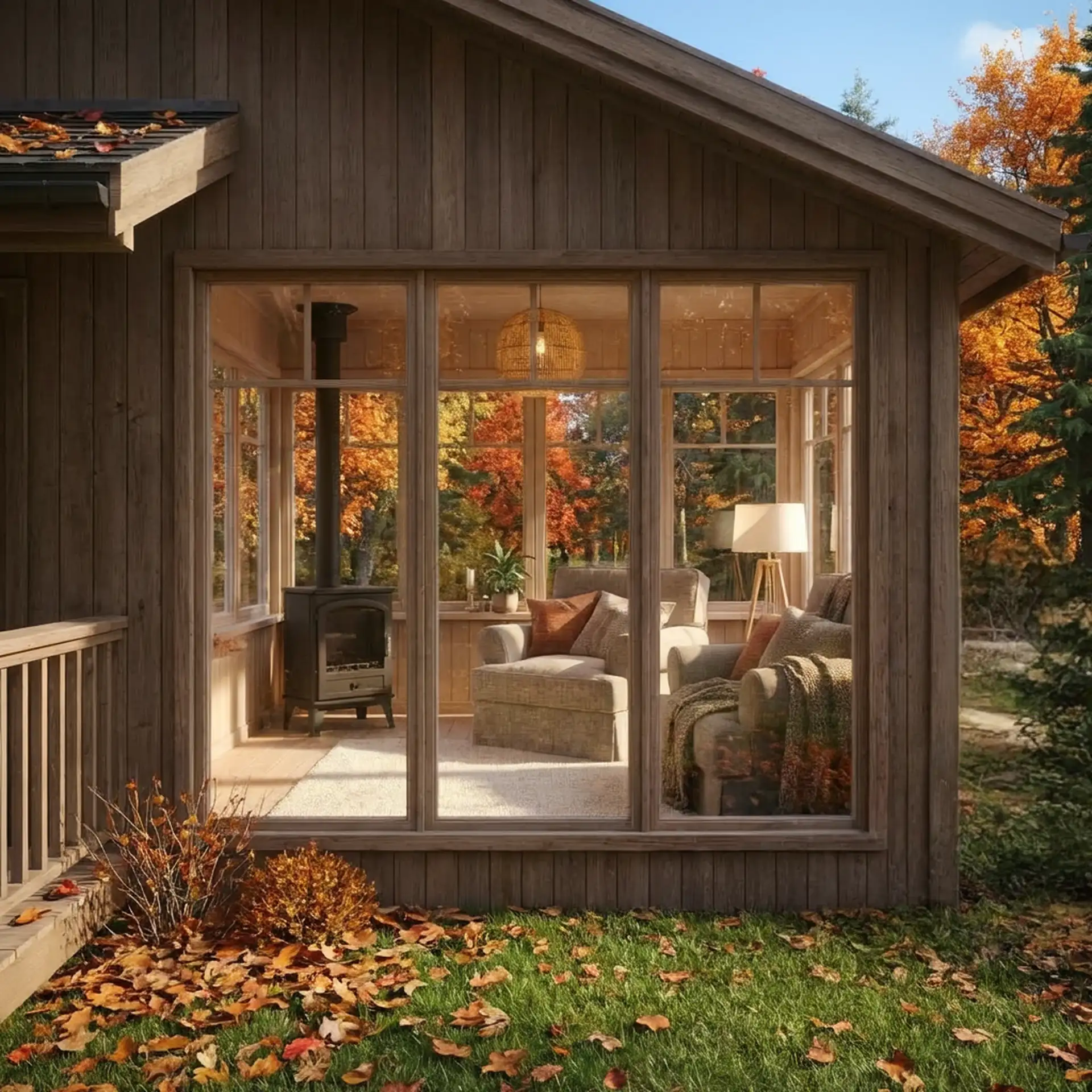
- The Hygge-Inspired Lounge (4-Season Focus)
- Purpose: Focus on year-round comfort and warmth for all climates.
- Style Elements: Furnish with oversized, deep-seated chairs and textured throws. Use wooden flooring with a large, inviting area rug.
- Key Feature: Install a highly efficient electric fireplace or stove. This design uses the 4-season capability to create a cozy, protected space even during the coldest months.
Design Ideas for Solariums
Solariums, with their spectacular all-glass construction, invite dramatic designs that lean heavily into maximizing light and views.
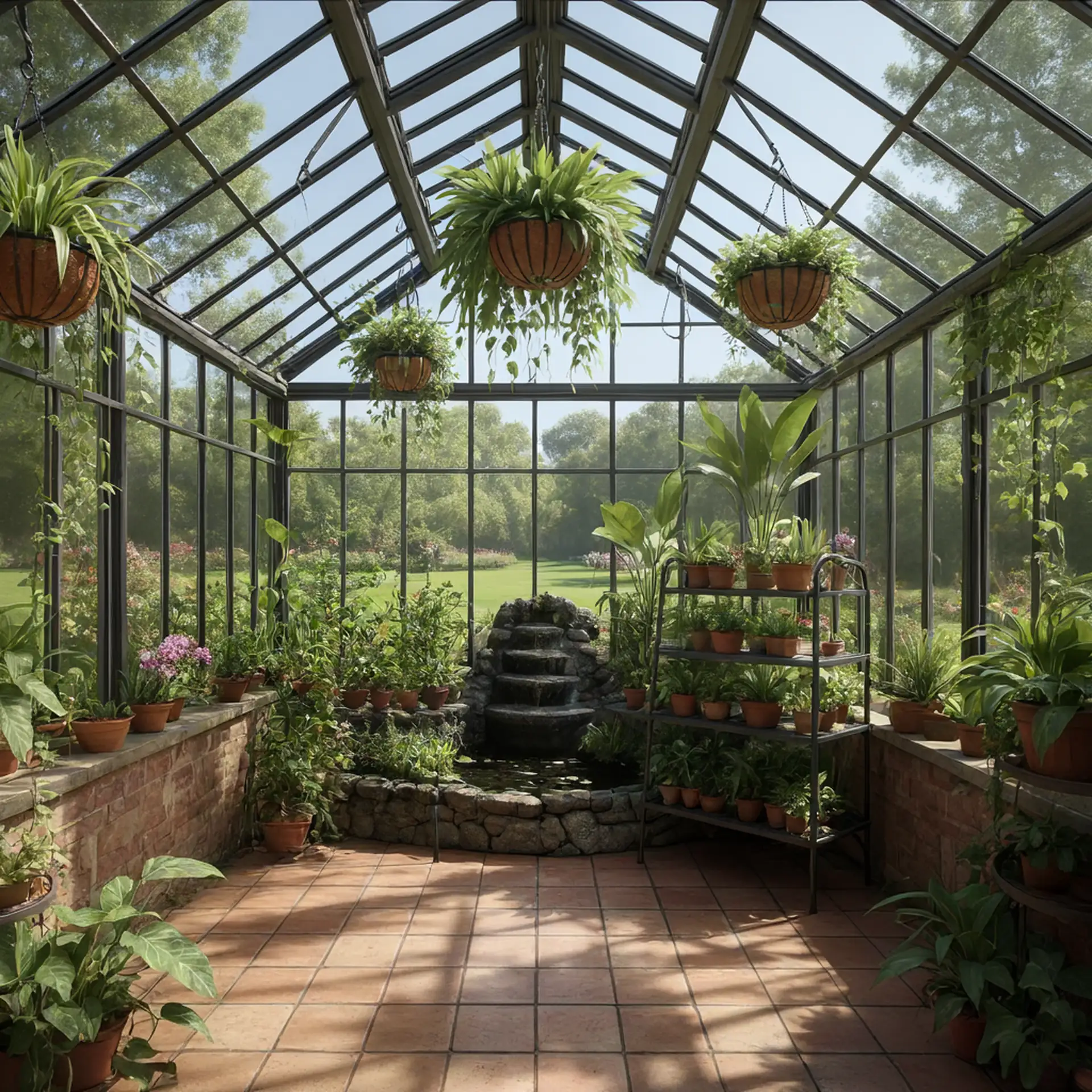
- The Botanical Conservatory
- Purpose: A functioning greenhouse and lush tropical haven.
- Style Elements: Tiered plant stands, hanging baskets, and a small water feature to maintain humidity. Use simple, moisture-resistant terracotta tile flooring.
- Key Feature: Minimal furnishing (iron or wicker seating) to ensure the greenery and light remain the main focal points.
- The Sky-Gazer’s Studio
- Purpose: Meditation, relaxation, and nighttime celestial observation.
- Style Elements: Position a comfortable, reclining sofa or low-profile lounge chairs in the center. Keep decorations sparse.
- Key Feature: Designing the space around the vertical view, utilizing the glass ceiling for unobstructed views of the sky.
- The Minimalist Light Box
- Purpose: A pure architectural vitrine (showcase) for natural light and contemporary design.
- Style Elements: A monochromatic color palette (white and light grey) and sleek, contemporary, sculptural furniture.
- Key Feature: Highlighting the structure and the ever-changing quality of light, creating an almost gallery-like atmosphere.

Key Differences in Materials for Sunrooms vs Solariums
Materials Used for Sunrooms (Focus: Insulation)
Sunrooms rely on construction methods that prioritize thermal regulation and structural consistency with the main dwelling.
- Frames: Highly insulated vinyl or wood (or thermally broken aluminum) to limit heat transfer.
- Roofing: Conventional, insulated opaque roofing (shingles, metal) is utilized, making temperature regulation easier.
- Goal: To minimize energy loss and maintain an interior temperature similar to the rest of the house, essential for 4-season use.
Materials Used for Solariums (Focus: Light Maximization)
Solariums rely on advanced glass technology and resilient framing to capture light while managing solar intensity.
- Glass: Laminated or tempered safety glass is mandatory. Specialized Low-E (low-emissivity) coatings are essential to filter UV rays and mitigate solar heat gain.
- Frames: Durable aluminum frames are used for support; they are often narrow to maximize the glass area and are thermally broken to prevent heat/cold transfer through the metal.
- Goal: To achieve total light immersion while preventing the interior from overheating, often referred to as the “greenhouse effect.”
Climate and Location Considerations: Sunroom vs Solarium
Your local weather patterns should strongly influence your decision.
| Climate Consideration | Sunroom Suitability | Solarium Suitability |
| Extreme Cold | Excellent (with 4-season insulation) | Fair (Requires advanced heating/glass) |
| Extreme Heat/Sun | Good (Opaque roof reduces overhead heat) | Challenging (Requires top-tier solar-control glass) |
| Temperate/Mild | Excellent (Very versatile) | Excellent (Ideal for maximizing light) |
Sunrooms for Cold and Warm Climates
A properly designed four-season sunroom excels in challenging climates by creating a robust thermal barrier.
- Performance: The combination of a solid, insulated roof and efficient windows provides an excellent thermal barrier.
- Climate Control: It’s easier to heat in winter and to cool with air conditioning in summer.
- Result: The sunroom becomes a viable, well-regulated living space in any environment, extending the home’s comfortable living area year-round.
Solariums in Sunny or Temperate Climates
Solariums thrive in areas with moderate sunlight intensity, though they can be adapted for harsher environments.
- Ideal Setting: Solariums perform best in temperate weather where the abundance of light can be enjoyed without overwhelming heat or bitter cold.
- Heat Management: In very hot or sunny locations, adequate ventilation and top-tier solar-control glass are non-negotiable requirements to mitigate the “greenhouse effect.”
- Result: While challenging in extremes, the solarium remains the superior choice for those who demand maximum, uninterrupted natural light and sky views.
Which is Better for Your Home: a Sunroom or a Solarium?
Both structures are excellent investments, but for different reasons.
| If Your Priority Is… | Choose This Structure | Key Benefit |
| Highest Property Value | 4-Season Sunroom | Counts as fully heated, finished square footage. |
| Unique Aesthetic Appeal | Solarium | Adds a striking, luxury architectural feature. |
| Everyday Versatility | Sunroom | Functions as a comfortable extension of the main home. |
| Plant Cultivation | Solarium | Provides optimal, all-day light exposure. |
The most valuable addition is always the one that is well-built and seamlessly integrated into the home’s design.
Frequently Asked Questions
Is a solarium cheaper than a sunroom?
Typically, no. Solariums often require specialized, high-performance glass for the entire structure, including the roof, along with advanced framing systems, usually positioning them at a higher price point than a comparable-sized sunroom with a standard roof.
What is the distinction between a solarium and a sunroom?
A sunroom incorporates a solid, opaque roof and large windows, offering an experience similar to a standard room extension with abundant light. A solarium is entirely enclosed in glass, including the roof, delivering total immersion in sunlight and unparalleled sky views.
What are the disadvantages of a sunroom?
Depending on the construction (three-season vs. four-season), a sunroom may not sustain comfort during extreme weather without proper insulation and HVAC. Also, the opaque roof limits views of the sky.
Do you need permission for a sunroom?
Absolutely, yes. Since a sunroom or solarium is a permanent addition to your house, you’ll need a local building permit almost everywhere. A good builder (like Pilgrim Deck and Fence) will handle this entire process—from initial zoning checks to final inspection—to ensure your new room is fully legal and safe.
Do sunrooms add value to homes?
Definitely, a quality sunroom is a major selling point. They add significant value, especially if you build a four-season room. Since a four-season room is fully insulated and climate-controlled, it counts as heated, usable square footage, giving you a much better return on investment than a simple patio enclosure.
How do you heat a sunroom?
There are a few great ways, and the choice depends on your budget and insulation:
- Mini-Split System: This is often the best choice—a small, independent heating and cooling unit (ductless mini-split) that gives the room its own perfect temperature control.
- HVAC Extension: If your home’s central system has the capacity, we can sometimes run the existing ductwork into the sunroom.
- Radiant Floor Heating: This is a luxury option that embeds warming elements under the floor for incredibly comfortable, even heat.
Can I sleep in a sunroom?
You can, but only if it’s built correctly! It must be a four-season sunroom, fully insulated and temperature-controlled. If it meets local residential building codes for lighting, ventilation, and insulation, it can be officially used as a bedroom. A three-season room won’t be comfortable enough for overnight use in extreme weather.
What are the disadvantages of a solarium?
The biggest challenge is managing all that glass. You must plan for:
- The Greenhouse Effect: On a hot, sunny day, heat can build up rapidly. This requires specialized glass (Low-E coatings) and excellent ventilation to keep it comfortable.
- Higher Cost: Because of the amount of specialized glass and structural needs, solariums are generally a larger initial investment than standard sunrooms.
- Cleaning: You will definitely need to clean that beautiful glass roof occasionally to keep your views sparkling!
Why Choose Pilgrim Deck and Fence for Your Sunroom or Solarium
For a permanent, high-quality home addition, partnering with an experienced builder is key. At Pilgrim Deck and Fence, we understand the intricacies of building structures, from versatile sunrooms to luminous solariums, in the Maryland area.
- Expertise in Custom Design: We specialize in creating custom 3- and 4-season sunrooms that match your home’s style and your personal usage goals.
- Commitment to Quality: Our reputation is built on superior craftsmanship and reliable materials. We stand behind our work with robust guarantees and warranties.
- Local Experience: We understand the climate and permitting requirements in our region, ensuring your new addition is built correctly and lasts.
Ready to decide whether a versatile sunroom or a dramatic solarium is the perfect addition to your property? We’re here to guide you to the ideal solution.
Get a Consultation with Pilgrim Deck and Fence today to discuss your vision and receive a complimentary estimate today!