Skim for the short answer. Vinyl fencing is usually the practical pick for privacy with low routine upkeep; wood fencing is best for a natural look and custom design; and aluminum fencing is strongest when you want a clean boundary without blocking the view. Your yard conditions, privacy goals, maintenance tolerance, and budget should drive the decision.
Maryland weather makes that choice more technical than it may seem. Humidity, freeze-thaw cycles, clay-heavy soil, slopes, tree roots, pool rules, pets, and HOA guidelines can all affect which material makes sense.
Deck and Fence MD helps homeowners compare fence materials by yard first, then by budget. A lower starting price can mean more maintenance later, while a lower-maintenance material may cost more upfront.
Which Fencing Material Matches Your Yard?
Start with the job the fence must perform. Privacy, airflow, containment, curb appeal, and visibility matter more than the material name on the estimate.
| Fence Material | Best Match | What To Watch | Maintenance Reality |
|---|---|---|---|
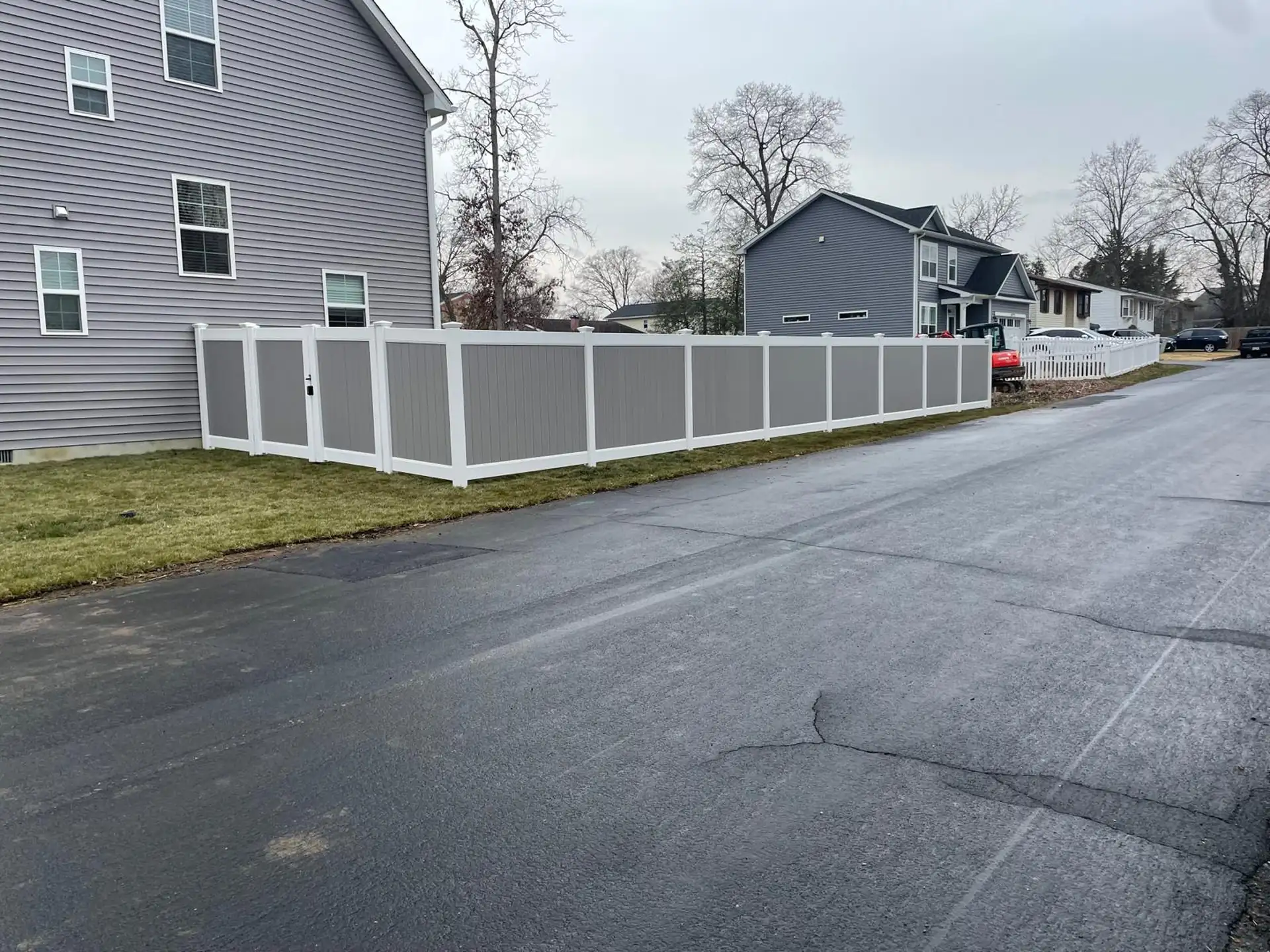
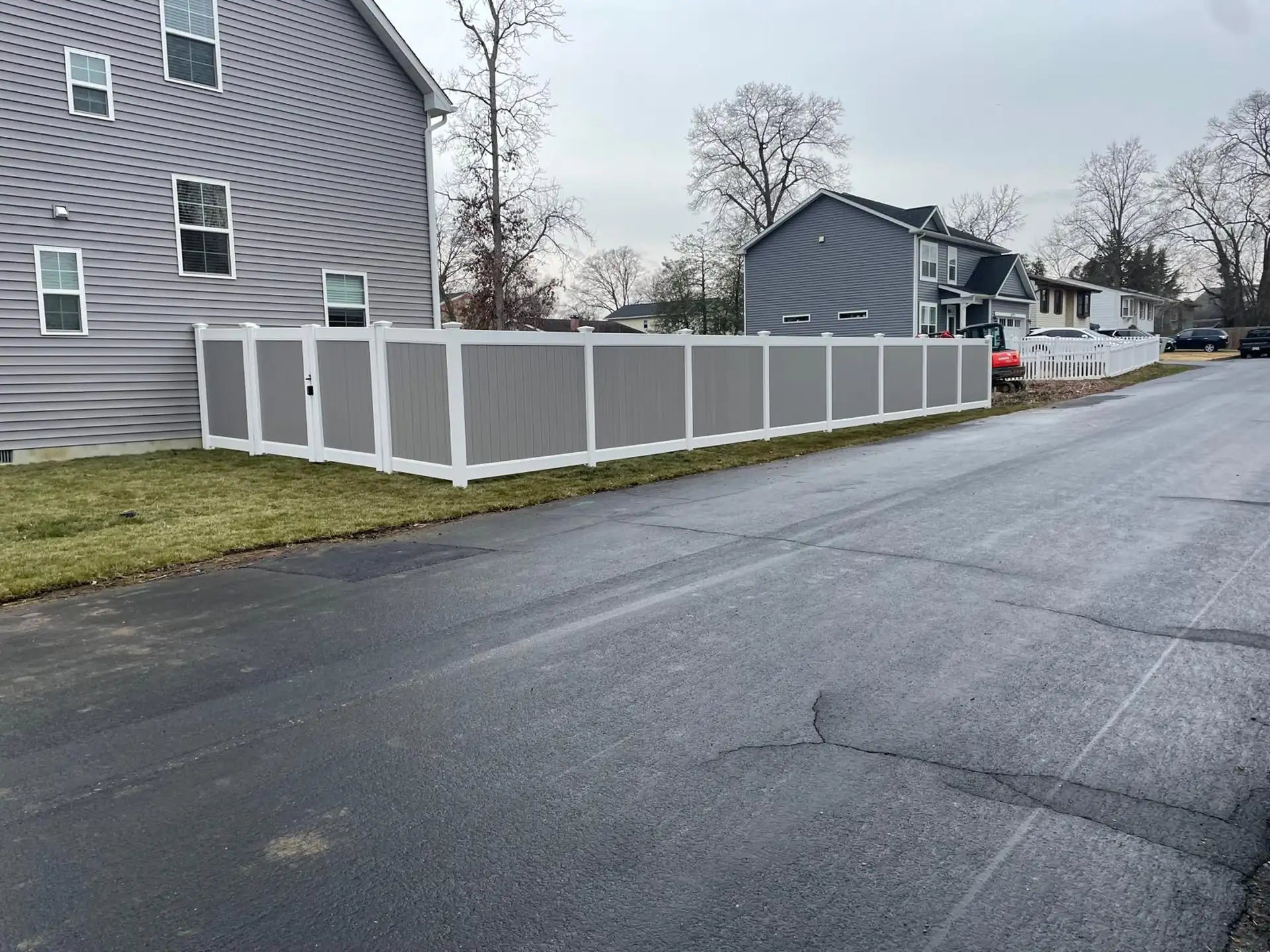
| Vinyl Fencing | Privacy, clean lines, pool areas, low routine upkeep | Less field customization than wood | Wash as needed and inspect gates and hardware |
| Wood Fencing | Traditional curb appeal, custom heights, natural texture | Moisture, rot, warping, and finish wear | Stain, seal, repair boards, and monitor posts |
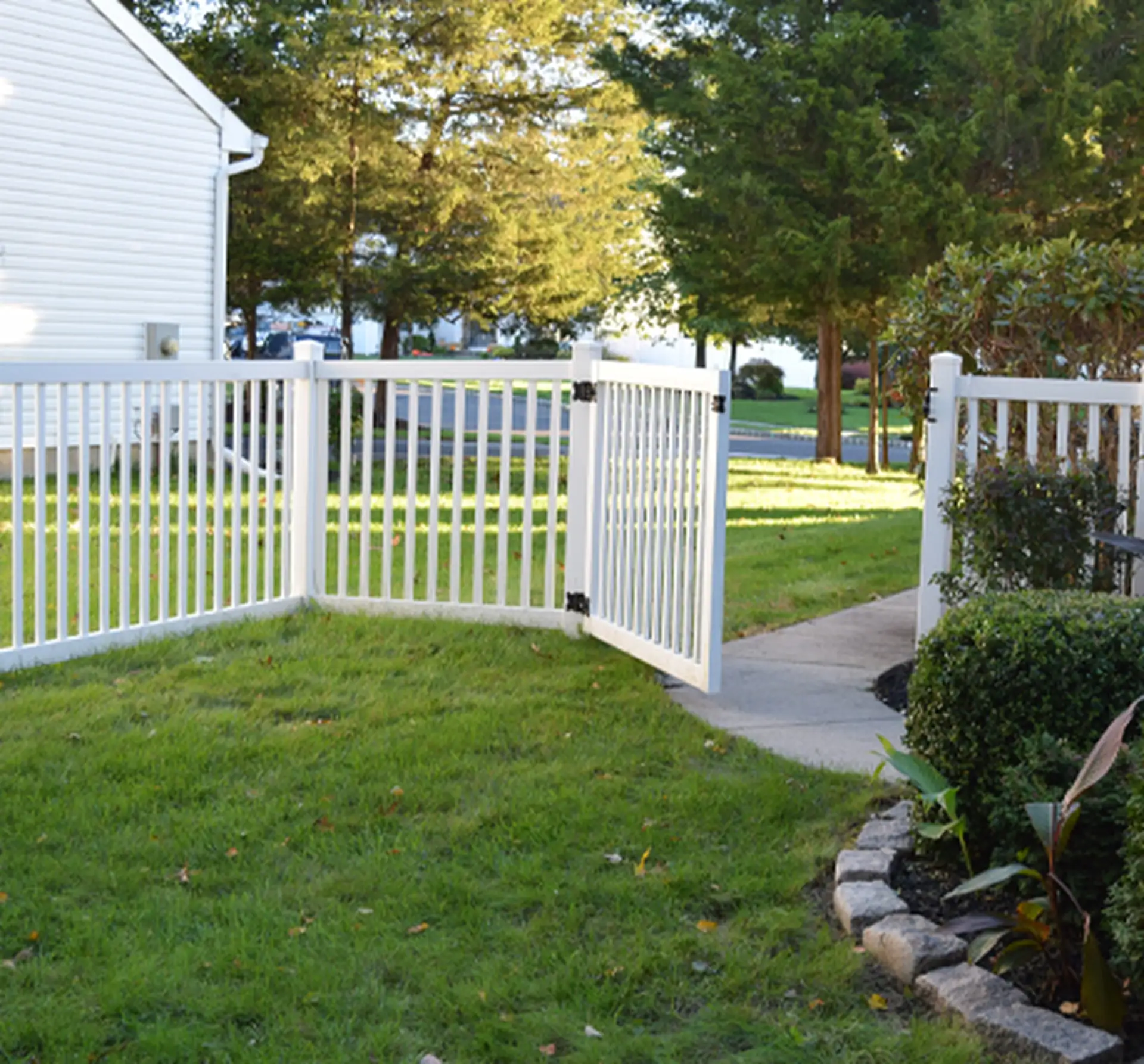
| Aluminum Fencing | Open views, pool boundaries, decorative perimeters | Limited privacy without added screening | Inspect finish, rails, posts, and gate alignment |
- Privacy and Sightlines: Vinyl fencing creates a stronger visual barrier near roads, patios, and close property lines. Aluminum keeps long views open, while wood can range from semi-private shadowbox layouts to solid privacy panels.
- Routine Maintenance: Vinyl needs basic washing and hardware checks. Wood needs stain, sealant, board repairs, and closer moisture monitoring.
- Visual Character: Wood offers the most flexibility for stains, board patterns, and site adjustments. Vinyl fencing Maryland searches often point to a clean, consistent look, while aluminum fencing Maryland projects often favor lighter visual weight.
- Property Purpose: A privacy fence works well for pets, children, patios, and outdoor meals. Aluminum may be better near gardens, pools, or scenic lots where a solid wall would feel too heavy.
Quick Visual Decision Map
Want privacy first? Start with vinyl or solid wood.
Want lower upkeep? Compare vinyl and aluminum.
Want the most custom look? Look closely at wood styles, stains, and board layouts.
Want an open yard feel? Aluminum usually has the lightest visual footprint.
Pro Tip: When comparing fence photos, save one close-up image and one whole-yard image for each option. A fence that looks beautiful up close can feel too heavy or too open once it wraps an entire property line.
What Affects Fence Cost in Maryland?
Fence cost Maryland homeowners see in an estimate depends on material, layout, access, gates, soil, old fence removal, and preparation work. A recent pricing guide on the site notes that a professionally installed 6-foot privacy fence often ranges from $18 to $45 per linear foot.
| Cost Driver | Why It Changes The Price | Question To Ask |
|---|---|---|
| Material | Wood, vinyl, and aluminum differ in product cost, hardware, finish, and long-term upkeep. | What is included in the material line item? |
| Layout | Corners, slopes, gates, and transitions require more labor and planning than straight runs. | How many gates, turns, and elevation changes are in the proposal? |
| Site Conditions | Roots, rocks, drainage, old fence removal, and limited access can increase the complexity of installation. | What site prep is included, and what could become an extra? |
| Post Depth And Structure | Proper post setting helps the fence resist wind, frost movement, and long-term leaning. | How deep will posts be set for my soil and fence height? |
- Material Selection: Vinyl, wood, and aluminum have different product costs, profiles, colors, and hardware. Compare repair expectations and maintenance costs along with the starting price.
- Fence Layout: A straight run is simpler than a layout with corners, transitions, gates, or elevation changes. Total length, property line accuracy, and gate count can shift the final number.
- Site Preparation: Dense roots, rocky soil, steep grades, poor drainage, old concrete, and tight access can add labor. Ask if clearing, removal, grading, or utility conflicts appear as separate line items.
- Gates and Hardware: Gates need stronger posts, hinges, latches, clearance, and alignment. A daily walk gate is different from a wide access gate for equipment or vehicles.
Homeowners comparing vinyl vs wood fencing should look beyond the first quoted number. A useful estimate should spell out material, height, layout, gates, preparation, labor, cleanup, and unknowns.
Pro Tip: Ask your contractor to separate material, labor, gates, removal, and site preparation in the estimate. Clear line items make similar proposals easier to compare.
What Should You Check Before Selecting Fencing Options in Maryland?
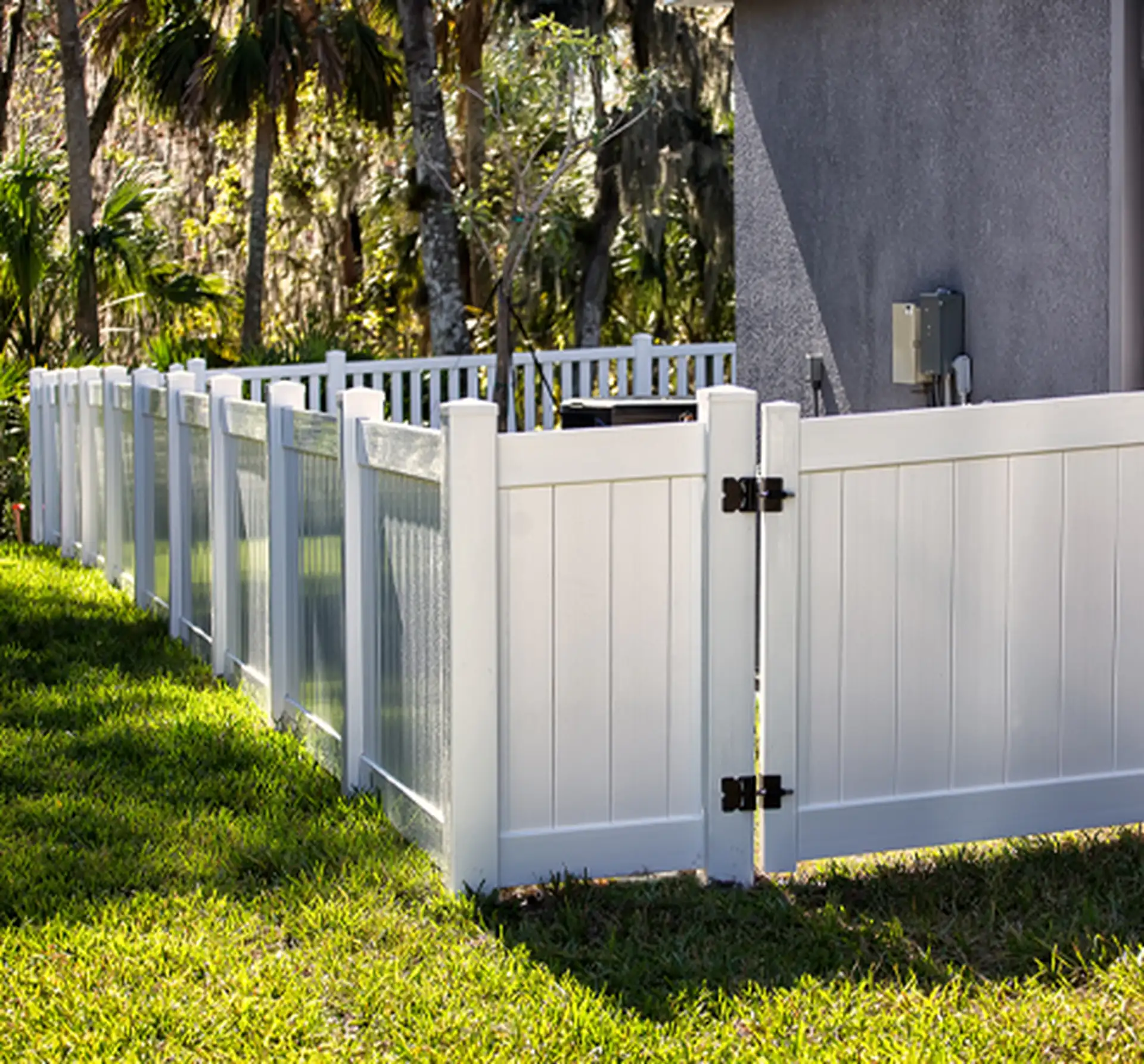
The right fencing options Maryland homeowners consider must work with the property, not just the sample panel. Check boundaries, slope, drainage, permits, and long-term care before ordering materials.
- Property Boundaries: Confirm where the fence can legally sit before finalizing the design. Surveys, markers, easements, shared boundaries, and neighborhood rules can affect placement.
- Grade and Drainage: Slopes affect stepped sections, ground gaps, and top-line consistency. Drainage matters because standing water can weaken soil around posts and gates.
- Permits and Rules: Requirements vary by municipality, neighborhood, fence height, and location on the lot. Ask who checks local rules and submits paperwork if approval is needed.
- Maintenance Expectations: The fence maintenance plan for Maryland homeowners should match the time available for care. Wood needs periodic refinishing, while vinyl and aluminum need simpler cleaning and hardware checks.
A lifespan guide on the site lists wood and PVC or vinyl at about 20 to 30 years, with aluminum often reaching 30 to 40 years or more when properly installed and cared for. Longevity matters, but privacy, appearance, and maintenance still decide which material is right for your yard.
Homeowners researching wood fencing options in Maryland should consider repair access, stain color, moisture exposure, and future landscape changes. Homeowners researching aluminum fencing options in Maryland should confirm that an open design provides enough screening and containment.
Pro Tip: Mark gates, property lines, utility routes, drainage areas, and access points before finalizing the layout. A few flags in the yard can reveal problems that a drawing may hide.
Vinyl Fencing FAQs
Is vinyl fencing better than wood for a Maryland backyard?
Vinyl is often better if you want privacy without staining, sealing, or painting. Wood is often better if you want a natural look, more design flexibility, or a lower starting cost.
Is wood fencing still a good choice if I do not want a lot of maintenance?
Wood can still work, but be honest about upkeep. If staining, sealing, board replacement, and yearly inspections sound like chores you want to avoid, vinyl or aluminum may suit your routine better.
Can aluminum fencing provide privacy?
Aluminum fencing is usually not the first choice for complete privacy because most designs have open pickets. It works better for defining a boundary, protecting a pool area, keeping sightlines open, or adding a decorative edge.
How do fence materials handle Maryland freeze and thaw cycles?
Each material responds differently to moisture, temperature swings, soil movement, and surface wear. Post depth, drainage, layout, and installation quality matter as much as the material itself.
Can I place different fence materials on one property?
Yes, mixing materials can work when each area has a different job. For example, vinyl can provide backyard privacy, aluminum can preserve a pool or garden view, and wood can add a warmer custom look.
Should landscaping be completed before fence installation?
Plan the fence layout before major landscaping is finished. That helps avoid blocked access, damaged planting beds, irrigation conflicts, and hardscape features too close to the fence line.
Planning Vinyl Fencing With Deck And Fence MD
Vinyl fencing can suit homeowners who value privacy and reduced routine upkeep, but wood and aluminum may work better for custom detail, open views, or a different property character. Early in planning, browse completed fence and outdoor living photos, review local project examples, and compare materials against your own yard conditions.
If you live in Howard County, Columbia, Ellicott City, Frederick, Laurel, or another community listed on the areas served page, a project-level conversation can turn a broad material comparison into a practical plan. Take your preferred fence height, privacy level, gate locations, property concerns, and maintenance expectations into that discussion. When you’re ready, request a fence estimate and ask for a clear comparison of vinyl, wood, and aluminum for your property.
For deeper planning, review the wood fence lifespan guide, explore fence installation in Columbia, MD, or compare nearby outdoor upgrades like composite decking if your fence is part of a larger backyard plan.