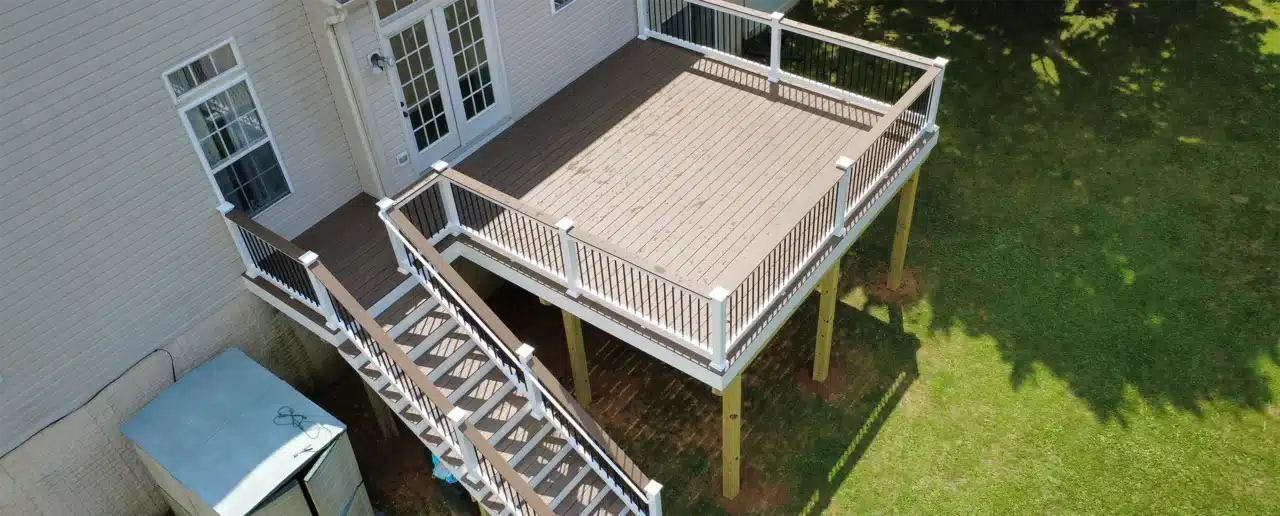
Building a sunroom in Maryland is a significant but rewarding investment. Homeowners often ask how much does it cost to build a sunroom, and in 2026 project costs typically range from $60K to $155K, depending on your preference for seasonal or year-round use. A three-season room offers a budget-friendly sanctuary for most of the year at roughly $60K–$95K, while a fully insulated, HVAC-equipped four-season addition averages $85K–$155K+ and adds official “livable square footage” to your home’s appraisal value.
Beyond the raw numbers—which include roughly $1.5K–$3K in local permits and $6K–$12K for code-mandated 30-inch-deep foundations—you can expect a solid resale ROI of 50%-75%. Ultimately, it’s a strategic way to bypass Maryland’s humidity and pollen while gaining a high-end “lifestyle” space that pays off in both wellness and home equity.
In 2026, the average cost to add a sunroom in Maryland typically falls between $60K and $155K. While national averages often skew lower, Maryland’s high labor rates, strict energy codes, and local permitting requirements place most professional builds in the six-figure range.
Average Cost to Add a Sunroom in Maryland (Quick Breakdown)
The price is dictated by “conditioned space.” If you want a room that remains a steady 72°F during a Maryland ice storm, the engineering requirements shift significantly.
2026 Maryland Price Matrix
| Sunroom Type | Avg. Project Cost | Cost Per Sq. Ft. | Best For |
| 3-Season Room | $60K – $95K | $275 – $380 | Spring-Fall use; pollen-free lounging. |
| 4-Season Room | $85K – $155K+ | $325 – $475 | Year-round living; home office/dining. |
| Solarium | $75K – $165K | $350 – $600 | Maximum light; greenhouse enthusiasts. |
Maryland Pro Tip: To increase your home’s official square footage for appraisal, you must opt for a 4-season sunroom. In Maryland, a room is considered “livable square footage” only if it is fully insulated and connected to a permanent, independently controlled heating/cooling system.
Cost to Add a Sunroom by Type
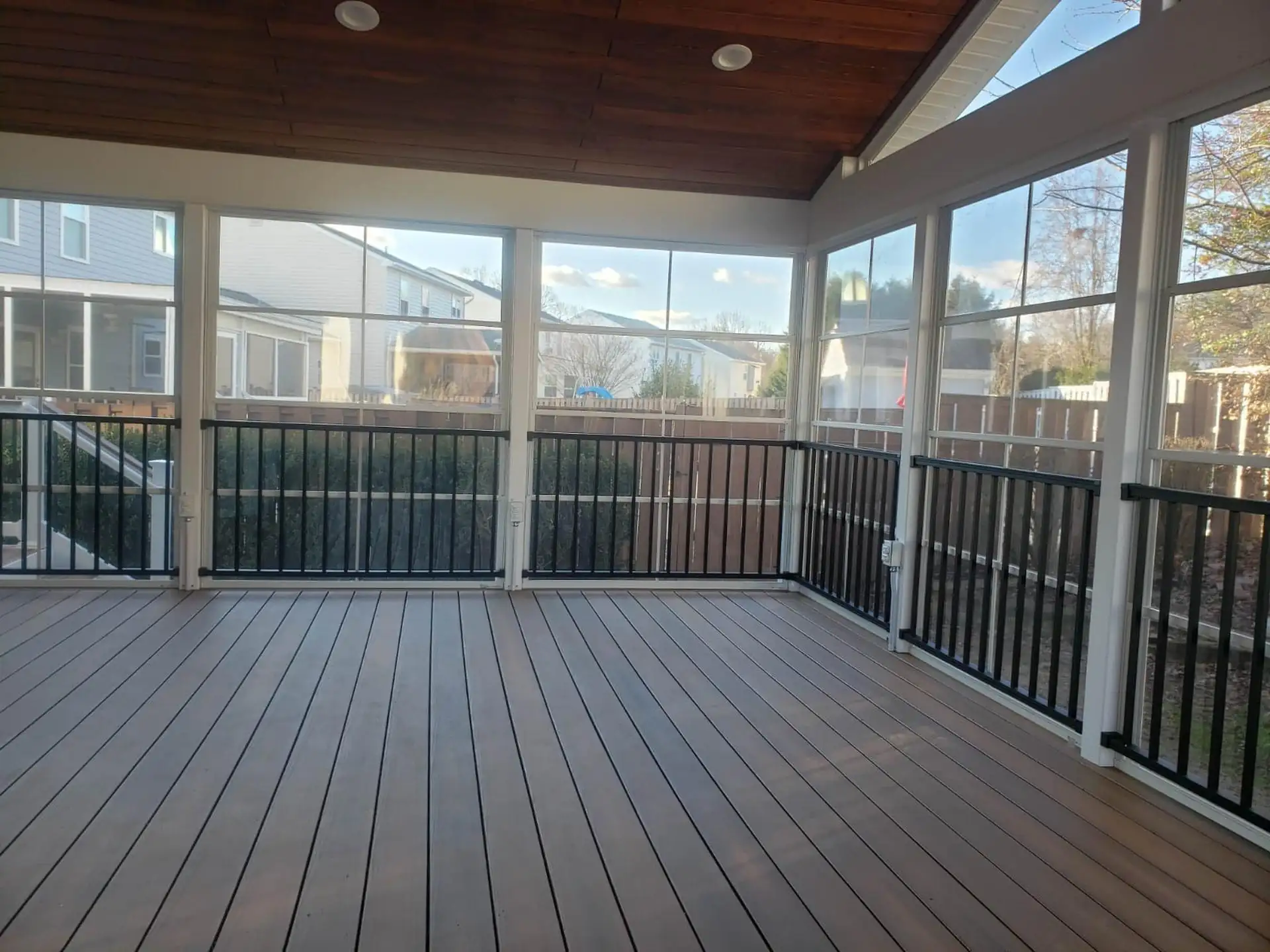
3 Season Sunroom Addition Cost
Think of a 3-season room as a high-performance porch. These structures are built with double-pane glass but lack a “thermal break” in the frames and a permanent connection to your home’s furnace.
- The Investment: $60K to $95K. This is the typical cost for sunroom addition when choosing a 3-season build.
- Maryland Reality: Perfect from April to October. However, during a Maryland July, you’ll need a high-powered ceiling fan, and by late December, it becomes a “cold storage” zone for your patio plants.
4 Season Sunroom Addition Cost
A 4-season sunroom is a true residential addition. It requires thermally broken frames, high-efficiency Low-E glass, and a dedicated heat source.
- The Investment: $85K to $155K+. This is how much does it cost to add a sunroom when opting for a fully insulated, HVAC-equipped 4-season design.
- The Value: Because these meet Maryland’s residential energy codes, they feel like a natural extension of your living room. It is the most popular choice for homeowners who want to watch the snow fall while enjoying a morning coffee in a t-shirt.
How Much Will It Cost to Build a Sunroom Based on Materials?
In a sunroom, the materials you choose for the “skeleton” also determine how much would it cost to build a sunroom, since framing choices directly impact long-term performance and price.
In Maryland, where we see everything from salty Atlantic air to heavy Western snow, your choice of frame is a long-term performance decision.
1. High-Performance Vinyl ($45K – $65K for framing)
Vinyl has become the “gold standard” for Maryland homeowners who want a set-it-and-forget-it solution. Unlike older plastic models, modern multi-chambered vinyl is engineered to trap air, making it an elite insulator that outperforms both wood and metal.
- Maryland Resilience: Vinyl is immune to the high humidity levels found in the DMV, meaning it won’t rot, peel, or warp. It’s also a “self-extinguishing” material, offering an extra layer of fire safety.
- The Tech: Leading contractors now use impact-modified PVC with internal steel reinforcement to handle the high wind-load requirements (up to 115 mph) found in Maryland’s coastal counties.
2. Thermally Broken Aluminum ($35K – $55K for framing)
Aluminum is prized for its industrial strength and sleek, minimalist profile. Because it is so strong, frames can be thinner, allowing for significantly larger glass panes and better views.
- The “Thermal Break” Necessity: Aluminum is a natural conductor, meaning it can freeze in January or scorch in July. To prevent this, Maryland code requires “thermal breaks”—insulating barriers (usually high-density resin) that separate the interior and exterior metal to stop heat transfer.
- The Look: This is the top choice for modern architectural styles or contemporary homes in areas like Bethesda and Silver Spring.
3. Wood & Hybrid Systems ($65K – $110K+ for framing)
For historic districts in Annapolis or Frederick, wood is often required to maintain the home’s period-correct aesthetic. Wood offers the highest natural R-value (insulation) of any frame material.
- The Maintenance Reality: Wood is susceptible to the region’s moisture-rich air. To prevent rot and termite damage, expect to reseal or paint the exterior every 3–5 years.
- Pro Tip: Many Marylanders now opt for Hybrid Systems, real wood on the interior for beauty, with a durable vinyl or aluminum “cladding” on the exterior to shield the wood from the elements.
4. Glass: The Real Material Investment ($2K – $8K+ Upgrades)
In a sunroom, the glass is the wall. Investing in high-performance glazing is the most effective way to lower your 4-season operating costs.
- Low-E 366 Coatings: This microscopic triple-layer of silver reflects solar heat while allowing light in. In 2026, it is the standard for keeping Maryland sunrooms from becoming “ovens” in August.
- Argon & Krypton Gas: These heavy gases are pumped between panes to slow down heat movement. Statistics show that Argon-filled units can improve the window’s thermal performance by up to 16% compared to standard air-filled units.
What Factors Affect the Cost of a Sunroom Addition?
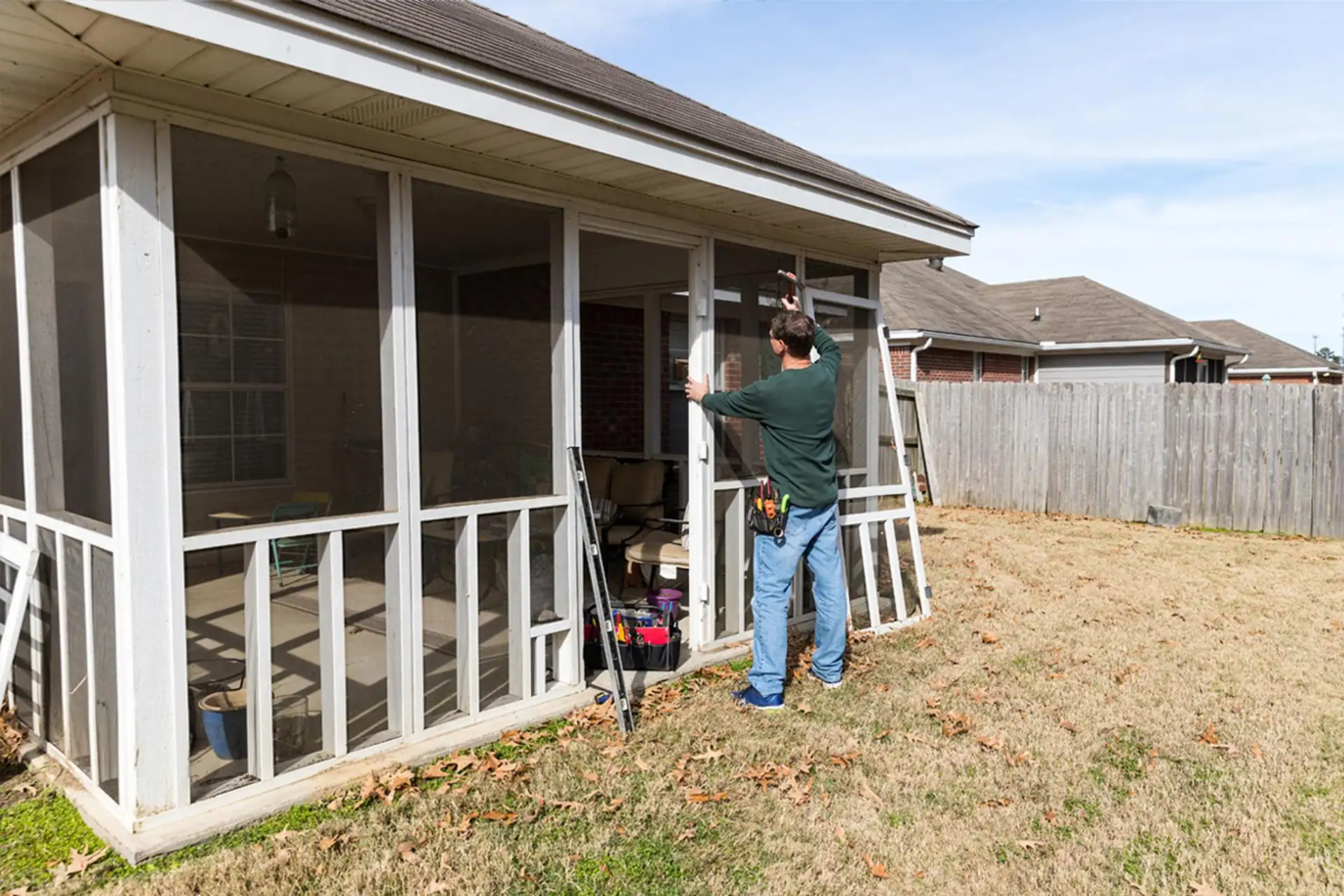
While the baseline type sets the stage, these specific Maryland variables drive the final quote.
1. Size & Square Footage
In the Maryland market, professional contractors typically charge between $275 and $475 per square foot for a full-service build.
- Small (under 200 sq. ft.): $55K – $75K.
- Medium (200-400 sq. ft.): $75K – $115K.
- Large (400+ sq. ft.): $115K – $160K+.
- Note: While larger rooms cost more overall, the “cost per square foot” often decreases slightly as fixed costs (like mobilization and permits) are spread over a larger footprint.
2. Foundation Type & Site Prep
Maryland’s diverse terrain—from the rocky soil of Frederick to the sandy loam of the Eastern Shore—impacts your base.
- Frost Line Requirements: Maryland code requires footings to be 30 inches deep. If you aren’t building on an existing, code-compliant slab, expect to pay $6K–$12K for excavation and concrete.
- Site Preparation: Clearing land, removing trees ($700/tree average), or land excavation ($1.5K–$5K) can add high upfront costs.
3. Roof Style & Integration
The roof tie-in is the most labor-intensive part of the build.
- Studio Roof: A simple slanted roof; the most budget-friendly.
- Gabled Roof: A peaked style that matches your home’s architecture. This requires complex framing and “weaving” into your existing shingles, adding $5K–$10K.
- Glass Roof (Solarium): Provides the most light but requires high-performance, tempered safety glass, pushing roofing costs toward $15K–$20K.
4. Electrical & HVAC Systems
To be usable (and count toward home value), the room needs power and climate control.
- Electrical: A basic package (outlets, light switches, and a ceiling fan) typically adds $1.5K–$3K.
- HVAC (4-Season): Connecting to your central air or installing a dedicated ductless mini-split generally costs $4K–$7K.
5. Maryland Permits & Inspections
Maryland is known for a rigorous, multi-step permitting process.
- Permit Fees: Most Maryland counties charge based on square footage (approx. $0.15–$0.25 per sq. ft.). Total permit packages usually run $1.5K–$3K.
- Impact Fees: Counties like Montgomery or Anne Arundel may charge “development impact fees” for new additions, which can add several hundred dollars to the total.
How Much Does It Cost to Add a Sunroom vs. Other Home Additions?
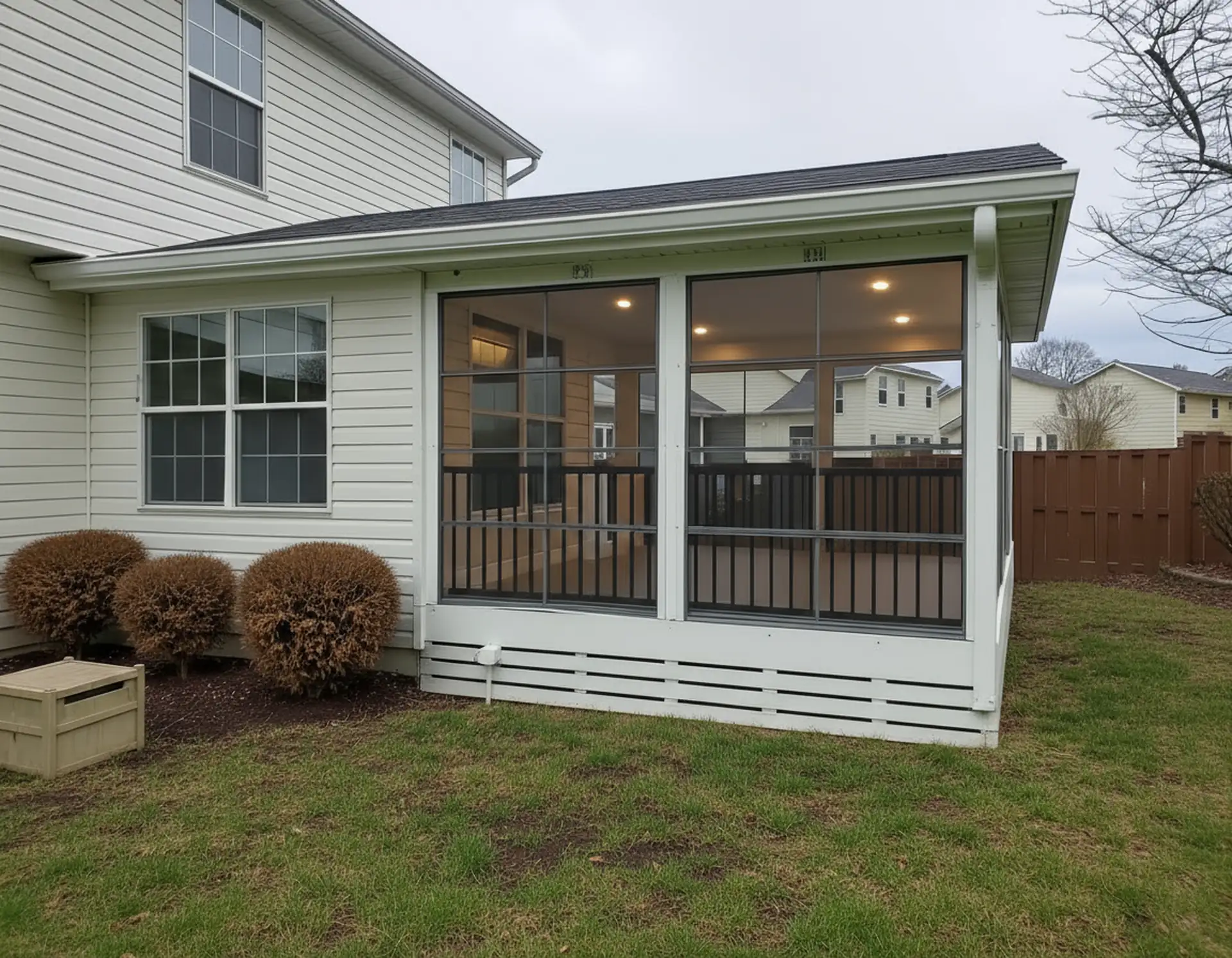
When weighing your options, it is helpful to see how a sunroom compares to other Maryland home improvements in terms of price and utility.
| Addition Type | Average Maryland Cost | Usability | Estimated ROI |
| Screened Porch | $25K – $55K | 5–7 Months | 70% – 80% |
| Sunroom (3 or 4 Season) | $60K – $155K | 9–12 Months | 50% – 75% |
| Full Room Addition | $110K – $250K | 12 Months | 60% – 65% |
- Sunroom vs. Screened Porch: A porch is the budget-friendly choice, but it offers zero protection against Maryland’s heavy pollen seasons or high humidity. A sunroom is the “middle ground”—a higher investment for total climate and debris control.
- Sunroom vs. Full Room Addition: Standard “stick-built” additions require expensive matching of existing siding, drywall, and roofing. Because sunrooms utilize pre-engineered glass systems, they are typically 20% to 30% cheaper than a traditional room addition of the same size.
- Cost vs. Resale Logic: While you may not recoup 100% of the build cost, a sunroom is a high-impact “lifestyle” feature. In competitive markets like the BWI corridor, it creates an emotional hook for buyers, often leading to a faster sale and higher curb appeal.
Is a Sunroom Worth the Cost in Maryland?
Beyond the simple pleasure of a sun-drenched morning, a sunroom is a strategic investment. Understanding the composite deck replacement cost and the cost to replace deck boards with composite is important, but equally vital is knowing the cost to add a sunroom for long-term property value.
The Financial ROI (Return on Investment)
In the Maryland real estate market, a sunroom typically yields an ROI of 50% to 75%.
- Appraisal Value: In high-value regions like Bethesda or Annapolis, adding “conditioned square footage” can bump your home into a higher price bracket.
- Market Trend: In 2026, buyers in the Baltimore-Washington corridor increasingly prioritize “wellness rooms” and versatile home offices.
The “Clean Air” Sanctuary
Maryland’s spring is notorious for yellow pine pollen that blankets every outdoor surface. While a screened porch leaves your furniture (and lungs) coated in dust, a sunroom provides a sealed environment. It lets you enjoy the first blooms of April without allergy flare-ups.
The Thermal Buffer Advantage
Data Point: Studies on passive solar designs indicate that sunrooms can reduce heating energy consumption by up to 11.3% during peak winter months. By acting as a “thermal airlock,” your sunroom traps solar heat behind high-performance glass.
How to Reduce the Cost to Build a Sunroom Without Cutting Quality
If your initial quotes are higher than expected, use these strategies to lower the price without sacrificing the structural integrity of your Maryland home.
- Choose 3-Season Over 4-Season: If you don’t need a home office in the dead of winter, a 3-season room saves you $20K to $30K by eliminating the need for complex insulation and HVAC.
- Utilize Existing Foundations: Building on a code-compliant, reinforced concrete patio can save you $6K–$12K in excavation and masonry costs.
- Stick to Standard Sizes: Custom-shaped glass is expensive. Using standard-sized windows and door units keeps manufacturing costs low.
- Prioritize Vinyl Over Wood: High-quality vinyl offers the best insulation-to-price ratio in the Mid-Atlantic and removes the long-term cost of painting or staining.
FAQs
Do you need permits to add a sunroom?
Yes. In Maryland, a sunroom is a structural addition. You must obtain a residential building permit from your county. If the room is “conditioned” (heated/cooled), you also need electrical and mechanical permits.
Do sunrooms need a foundation?
Yes. Maryland code requires sunrooms to sit on a permanent foundation reaching below the frost line (30 inches deep) to prevent shifting during winter.
What are the disadvantages of a sunroom?
The primary drawbacks are the higher upfront costs compared to a deck and the potential for “greenhouse” overheating in July. Additionally, 3-season rooms can suffer from window condensation during temperature swings.
What side of the house should a sunroom be on?
An east-facing orientation is ideal in Maryland for morning light and cooler afternoons. South-facing provides the most winter warmth but require high-performance glass to stay cool in the summer.
What is the lifespan of a sunroom?
A professionally installed vinyl or aluminum sunroom typically lasts 25 to 50 years. Aluminum is the most durable against high winds, while vinyl resists rot and insect damage.
How much does it cost to add a sunroom in Maryland?
In 2026, expect to spend $60K–$95K for a 3-season room or $85K–$155K+ for a fully integrated 4-season addition.
Is a 4-season sunroom worth the higher cost?
Yes, if you need year-round space. It is the only option that remains comfortable during Maryland winters and the only type that adds to your home’s “livable square footage” for appraisal purposes.
Does a sunroom increase home value in Maryland?
Yes. A well-constructed 4-season sunroom typically sees an ROI of 50% to 75% and significantly boosts buyer appeal in competitive markets.
Hiring a Contractor for a Sunroom Addition in Maryland
A sunroom involves massive panes of glass and structural weight—this is not a DIY project. You need a team that understands local soil and Maryland Building Performance Standards.
At Pilgrim Deck & Fence, we specialize in creating custom sunrooms designed for Maryland’s and Pennsylvania’s weather. With industry-leading warranties and a focus on durability, we handle the complexities of local permits so you don’t have to.