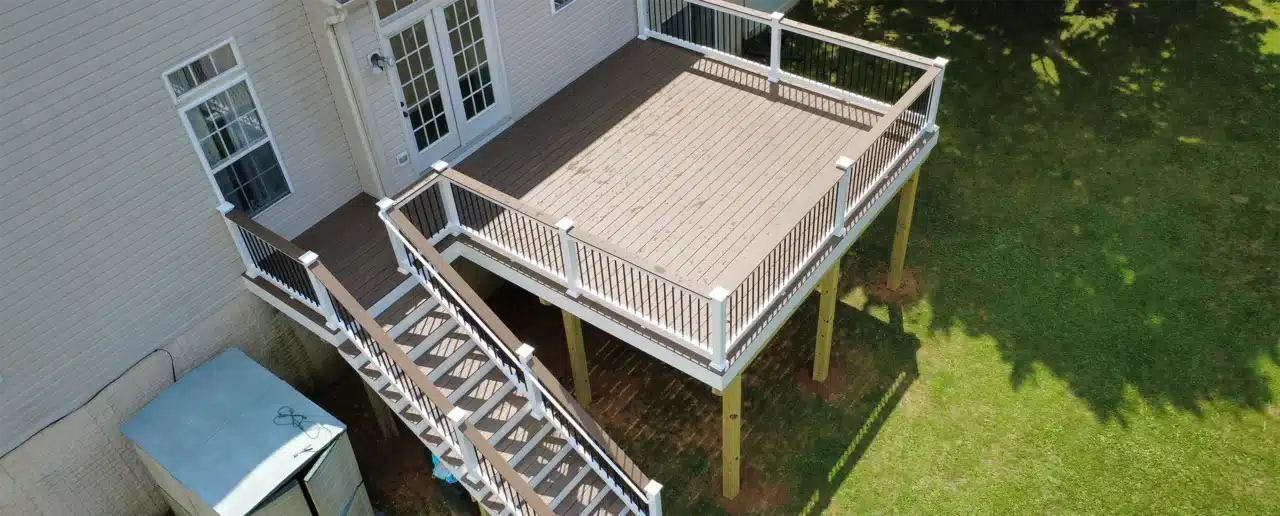
When looking to expand your living space, you will encounter two primary options for capturing sunlight: Florida room vs sunroom. While both rooms look similar on the surface, understanding the key structural differences, especially regarding insulation and climate control, is critical for making the right long-term decision for your home.
A sunroom and Florida room might look similar at first glance, but they serve two very different purposes, mainly dictated by climate control. If you live somewhere with cold winters, a sunroom—also called a 3- or 4-season room—is likely what you need. This addition is a permanent, insulated extension of your house with double-pane glass, designed to be actively heated and cooled like any other interior living space. This means homeowners can comfortably enjoy sunlight and outdoor views in July or January.
A Florida room, on the other hand, is generally uninsulated and relies on single-pane windows or sometimes screens. The space is designed for mild or warm climates—like Florida—where the primary goal is protection from bugs, rain, and intense sun.
While the room offers excellent ventilation and views, the lack of insulation means the space will get too hot or too cold for comfortable, daily habitation in extreme weather. Therefore, your location and how often you plan to inhabit the space determine which type of room is better for your home.
Florida Room vs Sunroom: What’s the Difference?
Sunrooms and Florida rooms are additions designed to maximize light and views, but their core structural differences dictate their performance and comfort across various climates.
What is a Florida Room?
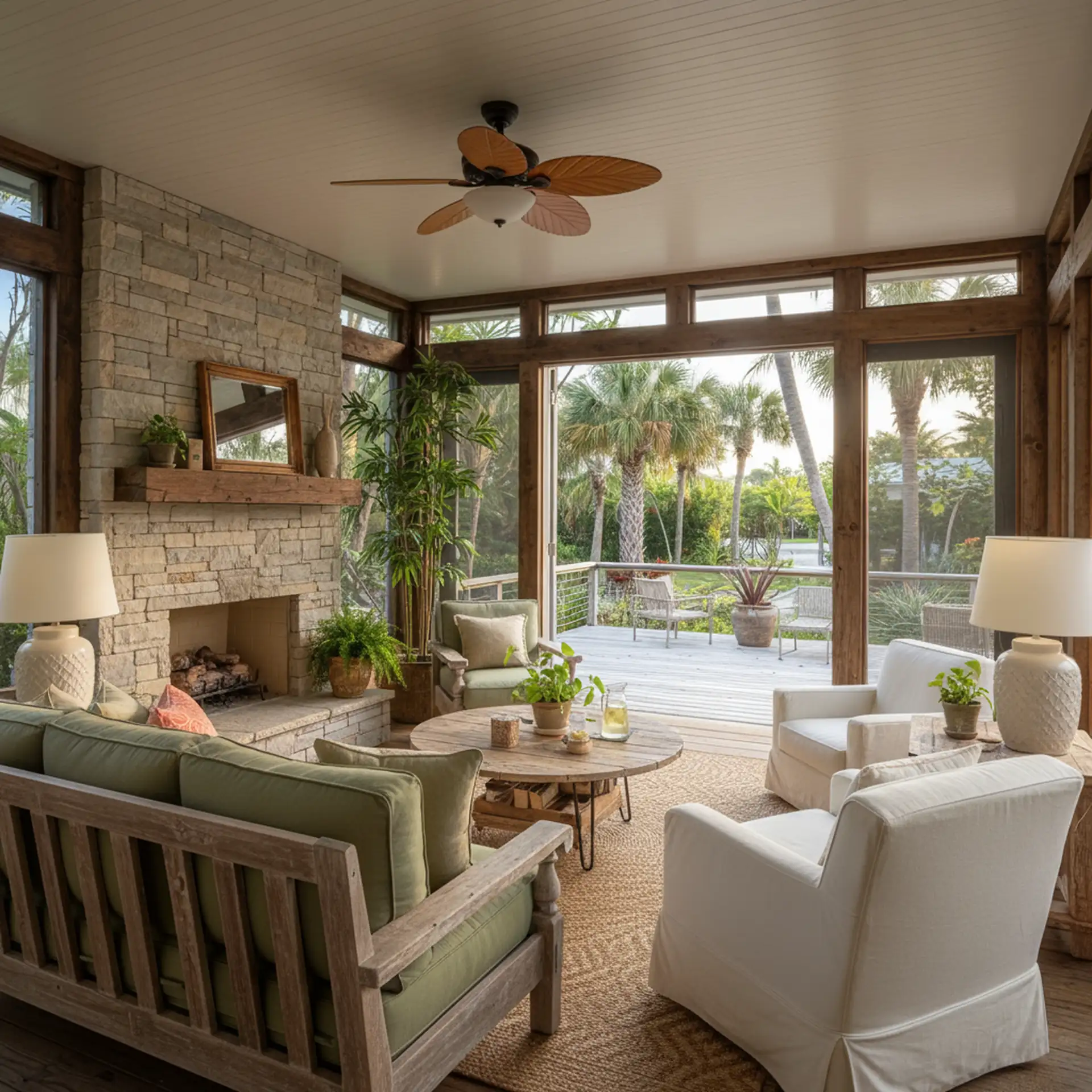
A Florida room, often called a three-season room or patio enclosure outside of southern states, is a light-filled space primarily built to keep out rain and insects while letting in abundant sunlight.
- Construction typically avoids insulation.
- Single-pane glass or mesh screens are often incorporated into the structure.
- The space usually lacks a dedicated heating, ventilation, and air conditioning (HVAC) system.
- The enclosure functions best in regions with mild weather where temperature control is not necessary for most of the year.
What is a Sunroom?
A sunroom, also known as a four-season room, is an extension of your home’s conditioned living space.
- Full insulation is built into the structure’s walls, floor, and roof.
- Energy-efficient windows, often double-pane, are featured to manage temperature transfer effectively.
- The room either includes a dedicated heating and cooling system or integrates into the home’s central HVAC system.
- To meet code requirements, sunrooms must meet the same strict IECC (International Energy Conservation Code) requirements as a regular room addition.
- The space is designed for comfortable habitation year-round, regardless of outdoor temperatures.
Key Differences in Structure and Functionality
| Feature | Florida Room | Sunroom (Four-Season) |
| Insulation/Code | Minimal R-value; often Category IV (thermally isolated by existing home wall) | High R-value (R-24+); Category V (same building envelope requirements as interior room, full insulation for walls, floor, roof) |
| Glass Quality | Single-pane glass or screens; high U-value | Energy-efficient, often double-pane Low-E glass (low U-value, high solar heat gain coefficient where desired) |
| Climate Control | None (Fans/portable heaters only); often unheated/uncooled | Integrated HVAC or dedicated mini-split system |
| Habitable Space | Not counted as habitable space; requires separation from main home | Considered conditioned, habitable square footage |
| Construction Time | Typically 1–3 weeks for installation (e.g., aluminum-framed) | Typically 1–2 months due to complex foundation, insulation, and HVAC integration |
| Permitting | Varies by locality, often simpler if thermally isolated | Always requires comprehensive building permits and energy code compliance |
Florida Room Design Ideas
Due to its open, simple nature, the Florida room lends itself well to casual, weather-resistant décor.
- Natural Materials: Focus on materials that handle humidity and temperature swings well, such as wicker, rattan, or specific outdoor-grade furniture.
- Casual Dining: Create a relaxed dining area where one can have breakfast while enjoying the morning breeze.
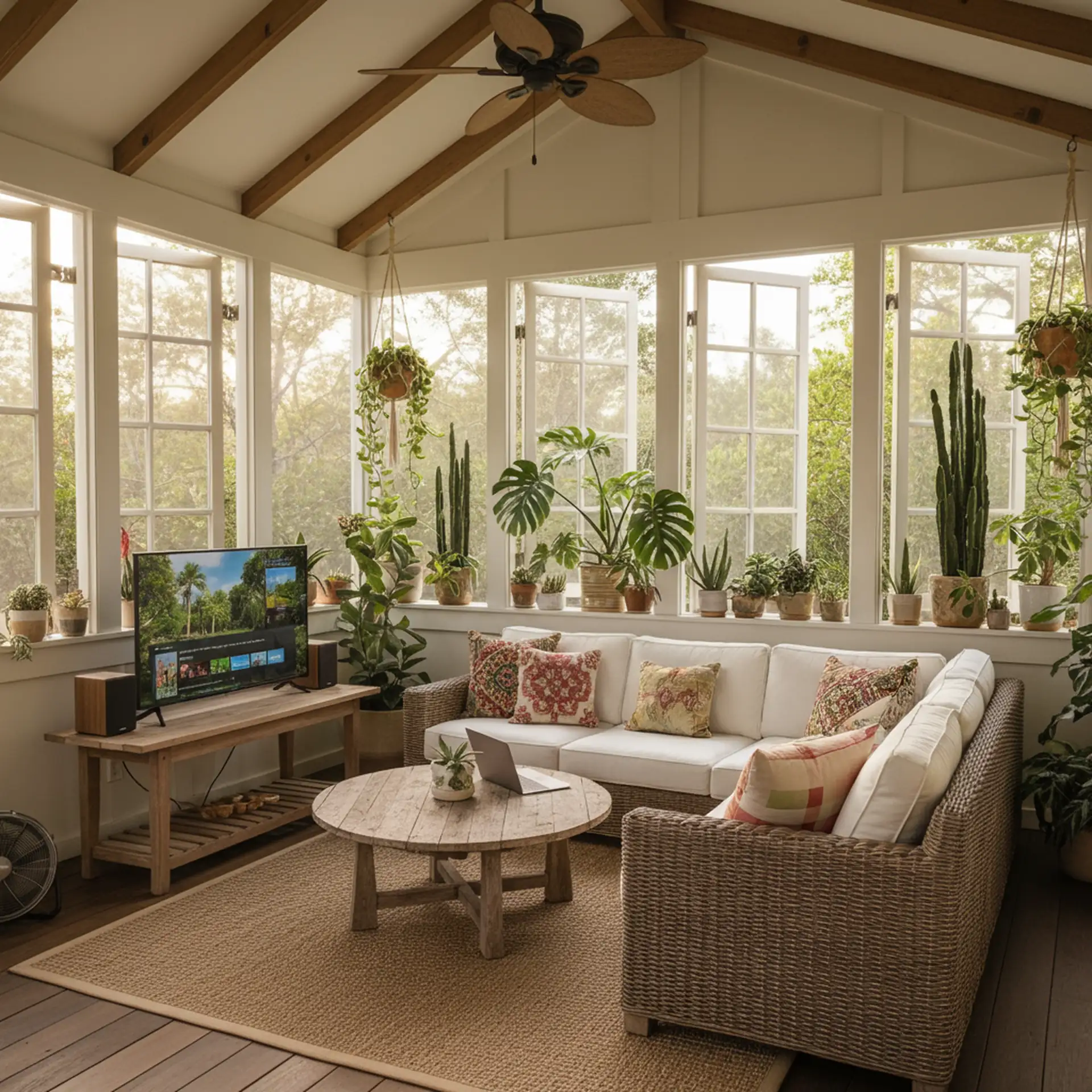
- Indoor Garden: The space is an excellent spot for houseplants, as humidity and sunlight are abundant.
- Entertainment Lounge: Set up a simple TV or sound system protected from direct weather, allowing casual movie-watching or music-listening with the windows open.
Sunroom Design Ideas
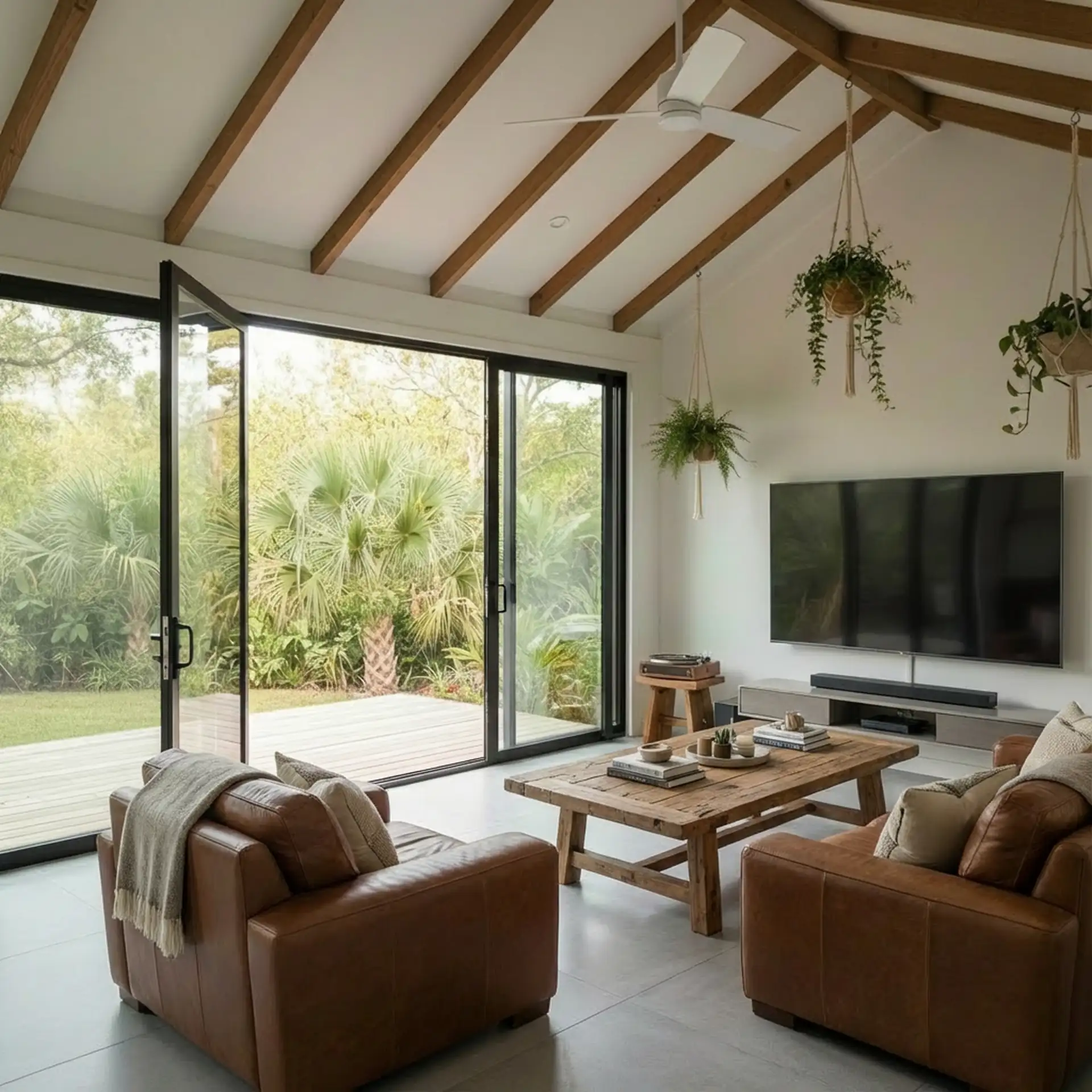
Since the sunroom is a conditioned extension of the house, design possibilities are limited only by the imagination, mirroring the versatility of a traditional indoor room.
- Home Office/Studio: The bright natural light is ideal for remote work, art, or hobbies, and the climate control keeps you comfortable all day.
- Formal Dining: Since the room maintains temperature, one can set up a formal dining table with delicate linens and upholstered chairs.
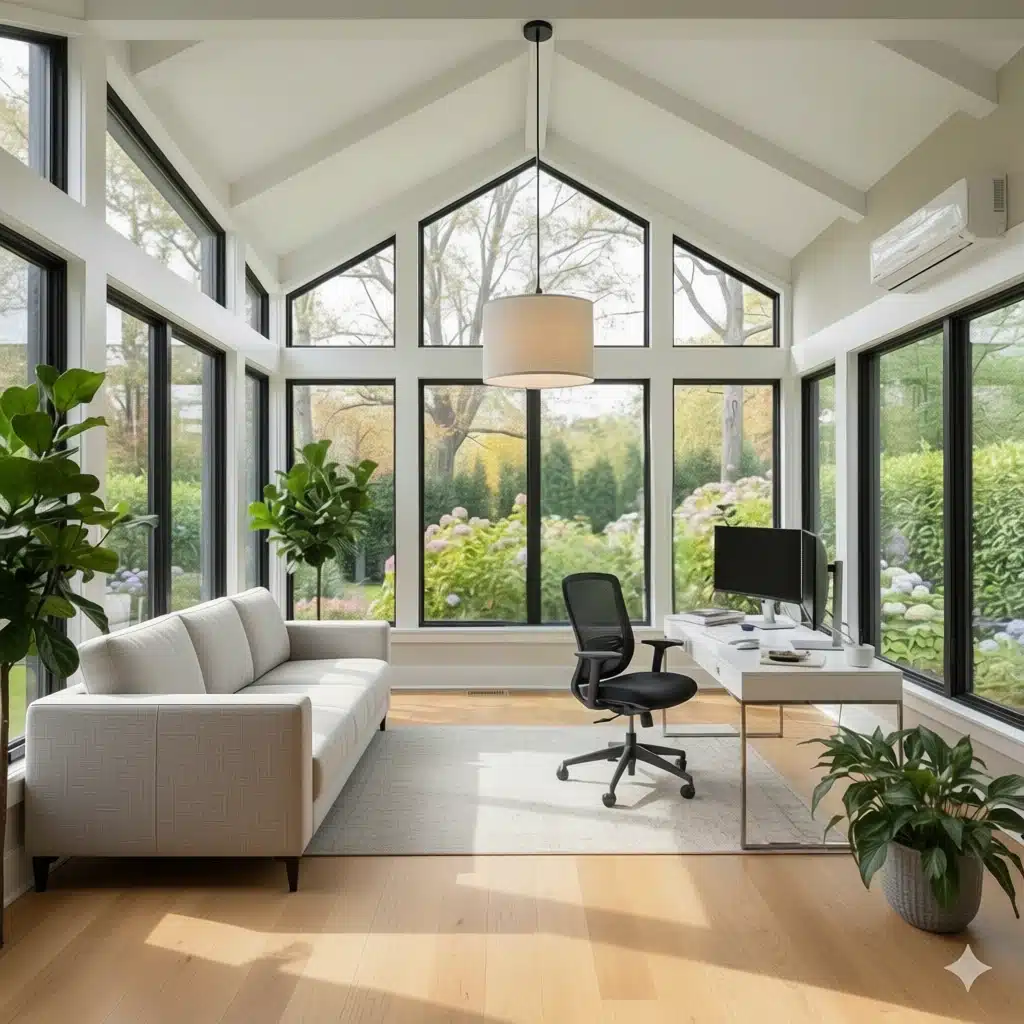
- Second Living Area: Use plush sofas, entertainment centers, and high-end rugs to create a dedicated second lounge for relaxing or entertaining guests.
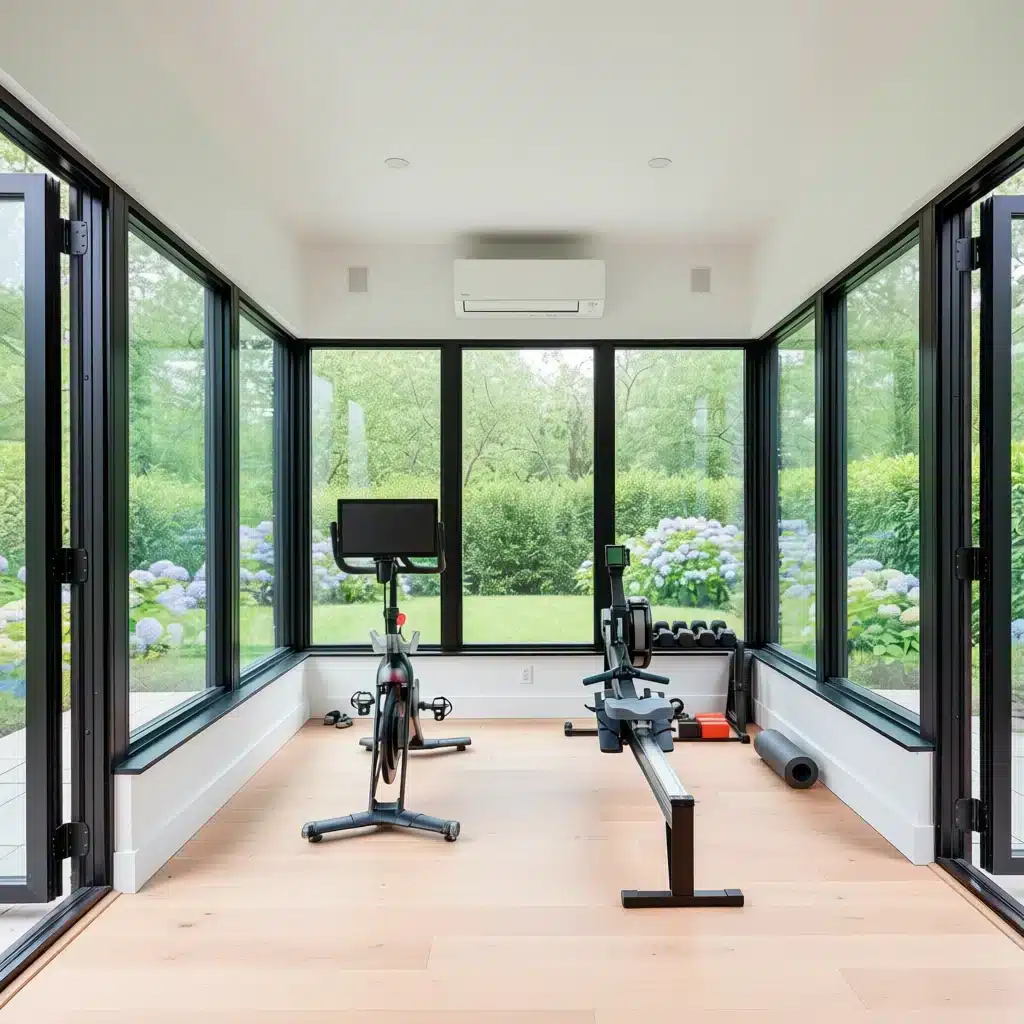
- Fitness Room: Install exercise equipment and ensure the temperature is regulated for comfortable workouts.
Florida Room vs Sunroom: Which Is Better for Year-Round Use?
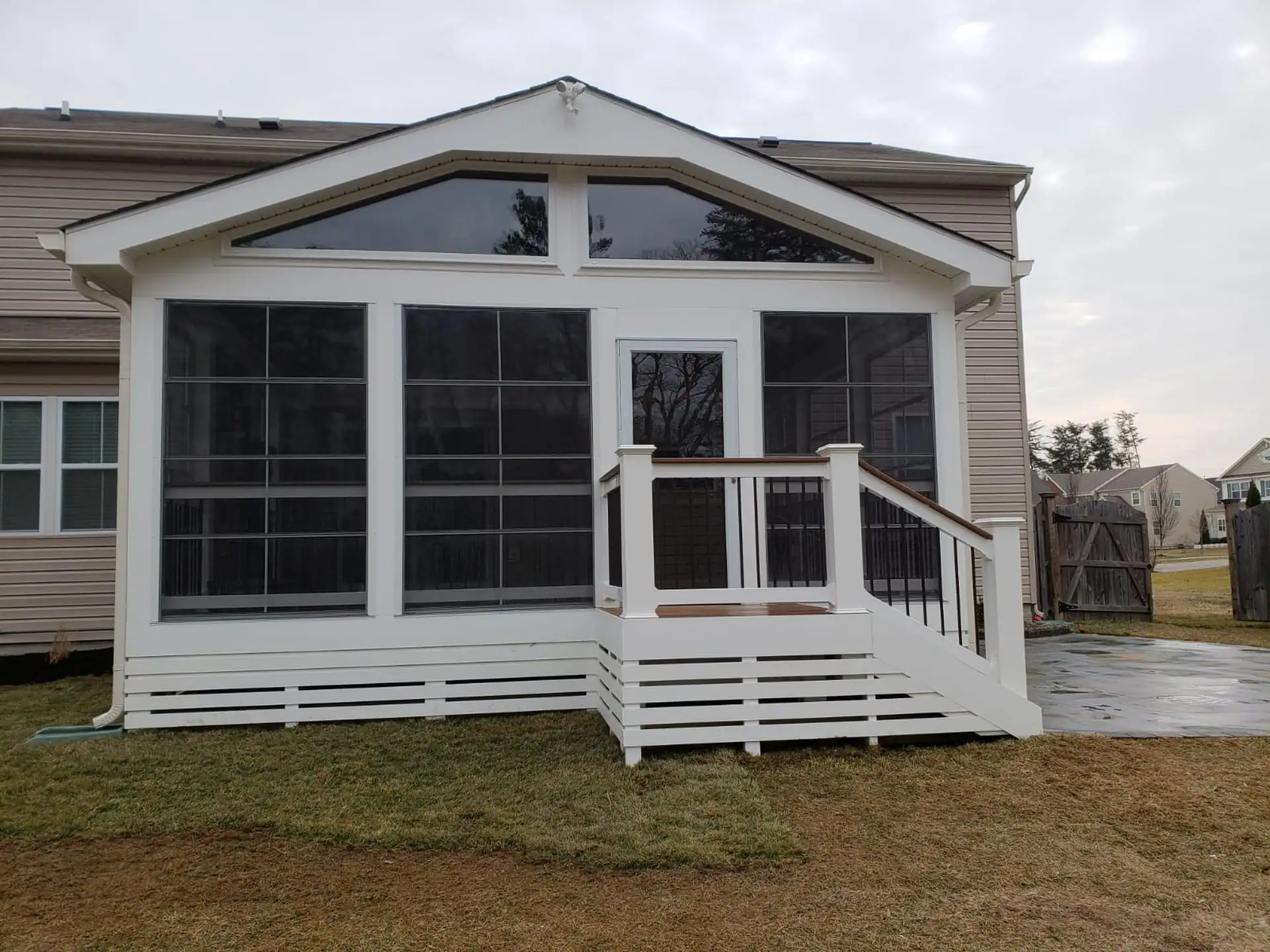
A sunroom is indisputably better for daily, year-round enjoyment. Because this room is built with high-efficiency glass and is actively heated and cooled, homeowners can expect comfort whether the temperature is 10°F or 95°F outside. A sunroom is genuinely a 365-day room.
A Florida room is highly functional but suffers from thermal inefficiency. In colder climates, the room becomes unusable when temperatures drop. In hot, humid climates, the space can become a sweltering greenhouse on sunny afternoons without adequate shading and ventilation. The room’s comfortable use is strictly limited to periods of mild weather.
Climate Control & Comfort Comparison
| Season | Florida Room Comfort | Sunroom Comfort |
| Winter | Too cold for comfort in most climates; generally unusable | Fully usable with supplemental heating; solar gain aids warmth |
| Spring | Enjoyable during mild temperatures (60-80°F); provides bug/rain protection | Fully usable; ideal for enjoying natural light without pollen or rain |
| Summer | Can overheat significantly; best during early morning/late evening | Cool and comfortable with AC and proper ventilation |
| Fall | Enjoyable during mild temperatures; protects from breezes and leaves | Fully usable; ideal for watching changing leaves in comfort |
| Usable Months (Mid-Atlantic) | ~5-7 months | 12 months |
Florida Room vs Sunroom: Style and Aesthetic Appeal
The aesthetic appeal of either room depends entirely on the quality of construction and how the addition integrates with the existing house.
Sunroom Style
- Substantial Appearance: Sunrooms look more permanent because they require deeper foundations and insulated walls.
- Seamless Integration: Visual appeal comes from a seamless look, often featuring high-end window frames and materials that perfectly match the home’s architecture.
- True Addition: The room resembles a proper, conditioned addition rather than just an enclosure.
Florida Room Style
- Lighter Feel: Florida rooms often have a lighter, airier feel due to less substantial window framing and open ventilation.
- Outdoor Connection: They maintain a closer tie to the patio or deck experience.
- Aesthetic: The style lends itself to a casual, vacation-like aesthetic.
Functionality and Use: Florida Room vs Sunroom
The primary function of any room should inform the decision. The table below highlights the core differences in what you can actually do in each space.
| Functionality Aspect | Florida Room (Seasonal) | Sunroom (Year-Round) |
| Primary Goal | Block rain and insects while keeping an outdoor feel. | Provide extra, comfortable, indoor living space. |
| Best Activities | Casual seasonal relaxation, morning coffee, and reading during pleasant weather. | Working from home, exercising, formal dining, hosting guests, and storing electronics. |
| Key Advantage | Simple construction is often more economical. | Space is available and comfortable regardless of exterior weather conditions. |
Which Is Right for Your Home: Florida Room or Sunroom?
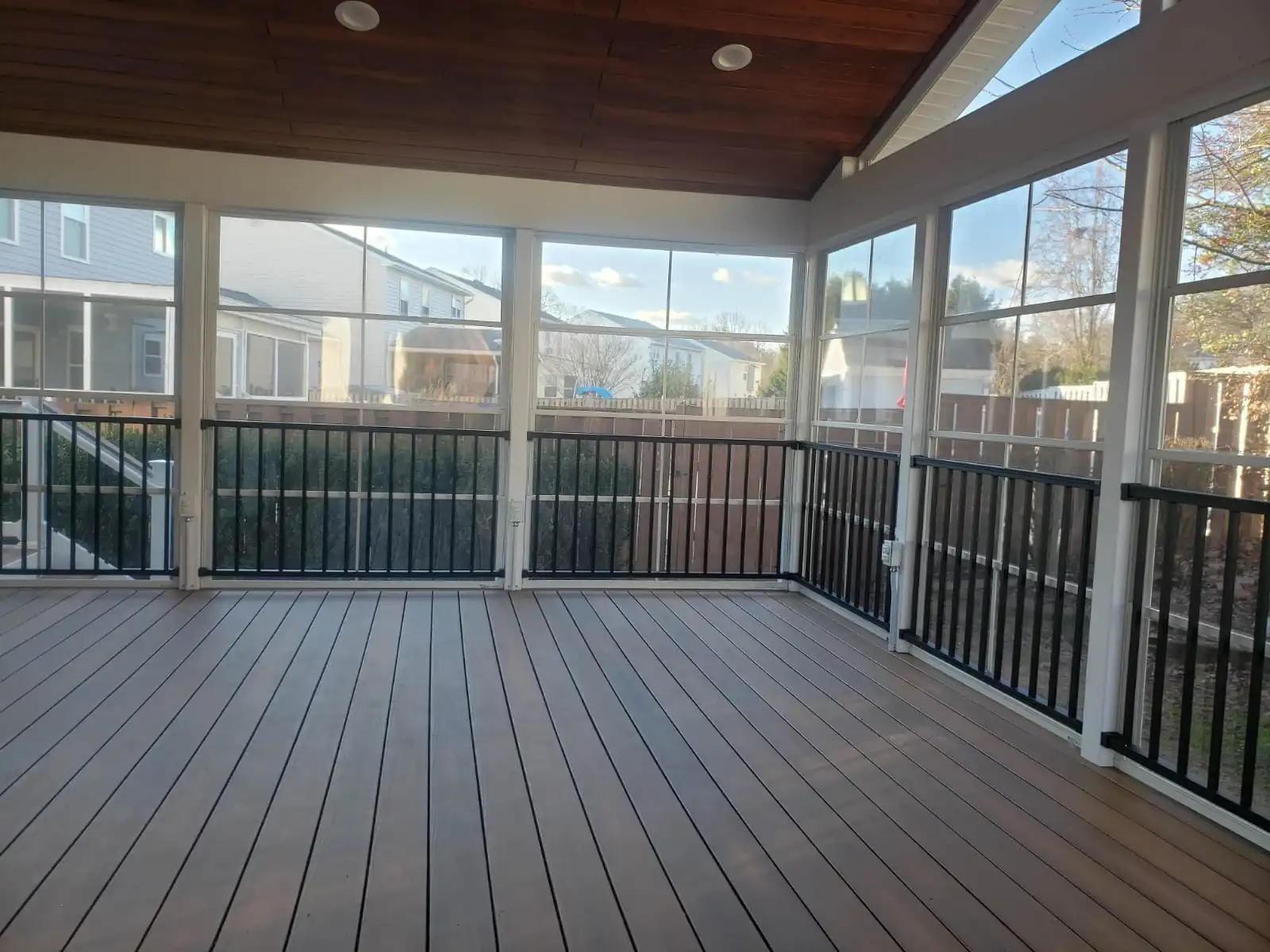
The best choice depends on two critical factors: your climate and how you intend to spend your time in the room.
Things to Consider When Deciding
- Climate & Location:
- Cold Climates (e.g., Maryland/Northeast): A sunroom is the only way to get daily use due to distinct seasonal temperature extremes.
- Warm Climates (e.g., Southern States): A Florida room is a perfectly viable, economical option for perpetually warm areas.
- Cost vs. Value:
- Sunrooms are a greater initial investment (insulation, HVAC, specialized glass).
- However, additions that meet residential code requirements (such as sunrooms) typically yield a higher financial return, averaging around 47% ROI.
- Florida rooms are cheaper to build but offer less return on investment.
- Daily Activities:
- Sunroom: Non-negotiable if the room is needed for remote work, sleeping, or housing sensitive electronics (requires temperature control).
- Florida Room: Works well if one just wants a place to read and relax when the temperature is mild.
FAQs
What makes a room a Florida room?
A room is considered a Florida room primarily because the space is designed for warm climates and is often uninsulated and unconditioned (lacking a dedicated HVAC system). The room’s purpose is to enclose a patio or deck, providing shelter from rain and bugs while maximizing light.
Does a Florida room add value to your home?
A Florida room adds less value than a fully conditioned sunroom because the space is not counted as habitable, conditioned square footage. While buyers may enjoy the room, appraisers typically value the addition less than a sunroom.
Do you need a permit for a Florida room?
Yes, a permit is typically required for a Florida room, even if the room is uninsulated. Any permanent structural addition to a home, including enclosing an existing patio or deck, generally requires adherence to local building codes and inspections.
Can a Florida room be used year-round?
No, a Florida room cannot be used comfortably year-round in most climates. Since the room lacks insulation and dedicated heating/cooling, the comfortable period is strictly limited to mild weather. The space will be too hot in the summer and too cold in the winter for daily use.
Is a Florida room the same as a sunroom?
No, the additions are not the same. A Florida room is uninsulated and unconditioned (seasonal use), while a sunroom (or four-season room) is fully insulated, integrated with HVAC, and designed for comfortable, year-round habitation.
What is the average cost of a Florida room?
The cost varies widely based on size and materials, but Florida rooms are typically less expensive to build than sunrooms. The additions require less complex materials since the rooms lack the insulation, high-efficiency glass, and HVAC integration necessary for a four-season sunroom.
Is a Florida room air-conditioned?
Generally, a Florida room is not air-conditioned. The space lacks the insulation needed to hold conditioned air efficiently. While portable units or fans may be used, a Florida room does not include a permanent, integrated HVAC system like a sunroom.
Why Choose Pilgrim Deck and Fence for Your Sunroom or Florida Room?
Pilgrim Deck and Fence provides high-quality outdoor additions, specializing in insulated 3- and 4-season sunrooms for the Maryland region, where climate control is critical. We are committed to honest service and quality construction.
- Expert Local Knowledge: We understand the specific construction and insulation needs required to make an addition comfortable in the Mid-Atlantic climate.
- Quality Guarantee: We back our workmanship and materials with comprehensive guarantees and warranties.
- Custom Design Focus: Our approach is centered on constructing additions that look like original parts of your home, not pre-fabricated kits.
We’re Excited To Hear About Your Outdoor Project
Let’s start a conversation today to discuss your dreams for a new sunroom vs Florida room, answer any questions you have, and walk you through the possibilities.
We’re here to help you take that first easy step toward enjoying your beautiful, new space.