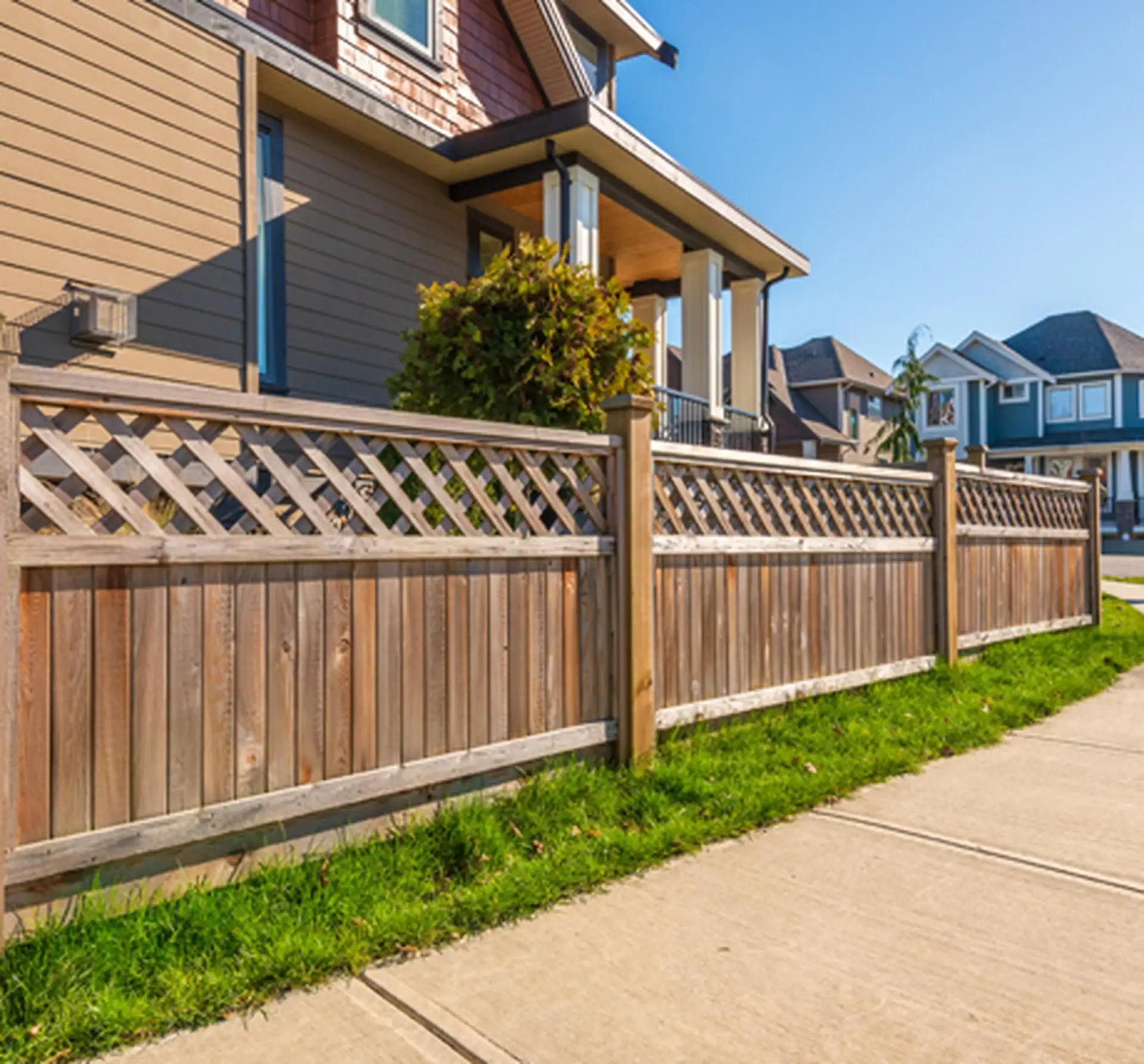
There is something timeless about a wood fence. It frames a yard the way a good picture frame holds a painting quietly, confidently, in a way that just feels right. But unlike a painting, a wood fence lives outside. It faces Maryland summers, winter freezes, heavy rain, humidity, and the slow, patient work of time.
So before you invest in one, it is fair to ask: how long does a wood fence last, really?
The answer depends on more than just the wood you pick. Installation quality, climate, maintenance habits, and ground conditions all play a role. This guide breaks it all down so you can plan smart, spend wisely, and know exactly what to expect.
The Average Lifespan of a Wood Fence
How long do wood fences last? On average, a wood fence lasts between 15 and 20 years. However, that number swings dramatically depending on wood species, treatment, and how well the fence is maintained over its life.
The table below gives a clear picture of how long different wood types tend to hold up:
| Wood Type | Lifespan (Unmaintained) | Lifespan (Well Maintained) |
|---|---|---|
| Pressure-Treated Pine | 15–20 years | 20–30 years |
| Western Red Cedar | 15–20 years | 20–30 years |
| Redwood | 15–25 years | 25–30+ years |
| Untreated Pine / Spruce | 5–7 years | 10–15 years |
| Douglas Fir | 10–15 years | 15–20 years |
One thing is consistent across all wood types: the difference between a fence that lasts a decade and one that lasts three decades is almost always maintenance and installation quality, not just the wood itself.
How Long Does a Pressure-Treated Fence Last?

Pressure-treated lumber is the go-to choice for fence posts and rails across the Mid-Atlantic region, and for good reason. The treatment process forces preservative chemicals deep into the wood fibers, protecting against rot, insects, and moisture at the cellular level.
How long does a pressure-treated fence last? Most pressure-treated fences last 20 years or longer. Posts that remain in direct ground contact and experience the most moisture exposure are the most vulnerable. When posts are set in concrete and positioned above standing water, they can easily last 25 to 30 years.
Properly treated wood in ground contact outperforms untreated alternatives by a factor of 4 to 5 in longevity, even in high-humidity climates like Maryland.
PRO TIP: If you are replacing a fence, always invest in pressure-treated posts rated for ground contact (UC4B or UC4C). Cutting corners here is the single fastest way to shorten the life of an otherwise solid fence.
What Shortens the Life of a Wood Fence?
Understanding what accelerates deterioration is just as important as selecting the right wood. Here are the most common causes of early wood fence failure:
Ground Contact and Moisture Trapping
- Fence posts buried directly in soil, especially soil that holds moisture, will rot from the bottom up, often invisibly until a post snaps unexpectedly.
- Poor drainage around posts is one of the leading causes of premature wood fence failure in the Mid-Atlantic region, where clay-heavy soil retains water long after rain.
Lack of Sealant or Stain
- Raw wood left unprotected will absorb water every time it rains and release it as the sun dries it out. That constant cycle of swelling and contracting causes cracking, warping, and splitting over time.
- A quality water-repellent sealant or penetrating stain creates a barrier that significantly slows this process.
Poor Installation
- A fence is only as strong as its foundation. Posts set too shallow, rails attached incorrectly, or boards installed without proper spacing for expansion all reduce structural integrity over time.
- A fence installed with care will outlast one rushed through installation by years, sometimes by a decade or more.
Pest and Mold Activity
- Termites, carpenter ants, and wood-boring beetles target untreated or aging wood. Mold and mildew, common in humid Maryland summers, accelerate surface degradation and signal deeper moisture problems.
- Regular inspection and prompt treatment of any infested or moldy sections can significantly extend the fence’s overall life.
The Maryland Factor: Why Local Climate Matters
In Howard County and the broader Mid-Atlantic region, wood fences face some genuinely harsh conditions. Summers bring extended heat and humidity. Winters cycle between freezing temperatures and thaw events that are especially rough on wood posts set in soil.
The Mid-Atlantic region sees an average of 40 to 45 inches of precipitation per year, well above the national average of 30 inches. That is a significant moisture load for any outdoor structure.
This is not a reason to avoid wood fencing. It is a reason to approach it with the right materials, proper installation, and a maintenance routine that matches the local climate. Homeowners who do that routinely get 20 to 25 years out of their wood fences in this region.
How Long Should a Wood Fence Last? Realistic Expectations by Maintenance Level
How long should a wood fence last if you treat it well? The table below outlines realistic lifespan expectations based on the level of care applied over time:
| Maintenance Level | What It Includes | Expected Lifespan |
|---|---|---|
| Minimal (No maintenance) | No sealing, staining, or repairs | 8–12 years |
| Basic | Occasional cleaning, minor repairs | 12–18 years |
| Moderate | Annual inspection, stain or seal every 2–3 years | 18–25 years |
| High | Regular cleaning, prompt repairs, re-sealing every 1–2 years, post checks | 25–30+ years |
The jump from basic to moderate maintenance is where most homeowners see the biggest return on investment. A single weekend of staining every two to three years, combined with prompt replacement of damaged boards, can add five to ten years to the life of a fence.
PRO TIP: Set a calendar reminder every spring to walk the fence line. Check for leaning posts, cracked boards, peeling finish, and signs of pest activity. Catching small problems early is far less expensive than replacing entire sections later.
Signs Your Wood Fence Is Nearing the End of Its Life
No fence lasts forever, and knowing when to repair versus replace can save significant time and money. Watch for these warning signs:
- Leaning or wobbly posts usually indicate post rot below the soil line, which affects structural stability.
- Soft or spongy wood means active rot if your thumb presses into boards or posts and finds soft spots.
- Boards pull away from rails as fasteners corrode and wood shrinks over time.
- Widespread gray or dark staining may indicate mold or mildew penetration beyond cosmetic weathering.
- Multiple cracked or split boards can compromise structural integrity when cracks reach full depth.
- Persistent insect activity, such as small holes, sawdust-like frass, or hollow-sounding wood, signals infestation.
Replacing isolated boards or a single post is normal maintenance. When repairs start to affect 30 percent or more of the fence, replacement is usually the smarter financial decision.
Comparing Wood to Other Fence Materials
If you are weighing wood against other options, lifespan is one of several factors worth considering. In Maryland and Pennsylvania, the most common residential fence materials include wood, PVC, and aluminum, each with its own tradeoffs:
| Fence Material | Avg. Lifespan | Maintenance Level | Upfront Cost |
|---|---|---|---|
| Wood (Pressure-Treated) | 20–30 years | Moderate | Lower |
| Wood (Cedar / Redwood) | 20–30 years | Low–Moderate | Moderate |
| PVC / Vinyl | 20–30 years | Very Low | Higher |
| Aluminum | 30–40+ years | Very Low | Higher |
| Chain Link | 15–20 years | Low | Low |
Wood remains one of the most cost-effective fencing materials available when the full lifecycle is considered, especially when paired with regular maintenance. PVC and aluminum offer lower upkeep but come with higher upfront costs and less room for design customization.
For homeowners who want a natural look, strong curb appeal, and a material that responds well to creative design, wood remains a leading choice.
That said, the right material depends on your property, your budget, and your long-term goals.
How to Maximize the Life of Your Wood Fence
Getting the most out of a wood fence comes down to a handful of consistent habits:
- Start with the right materials. Use pressure-treated lumber rated for ground contact on all posts. For pickets and rails, cedar or pressure-treated pine are reliable choices in the Mid-Atlantic climate.
- Seal or stain within the first year. New pressure-treated wood needs a few months to dry before it accepts a finish well. Apply a quality penetrating stain or water-repellent sealant in year one, then reapply every two to three years.
- Keep wood off the ground. Allow at least two inches of clearance between fence boards and soil or mulch. Ground-level contact accelerates rot even in treated wood.
- Re-apply finish proactively, not reactively. Do not wait for visible fading or cracking to reapply sealant. By that point, the wood has already absorbed more moisture than ideal.
- Inspect posts every year. Posts are the structural backbone of the fence. Catching early-stage rot at the base of a post can be addressed with a post repair kit rather than a full replacement.
- Address small repairs immediately. A single split board or loose rail is a 30-minute fix. Ignored for over a season, it becomes a structural problem that affects adjacent sections.
One more note worth mentioning: If your property is governed by an HOA, always verify fencing requirements before starting any project. Many HOAs have specific rules around fence materials, heights, and finishes, and handling those approvals early prevents costly changes after installation has begun.
The Bottom Line on Wood Fence Lifespan
How long will a wood fence last? The most honest answer is: it depends on how well it is built and how consistently it is cared for. A wood fence installed with quality materials by experienced hands and then maintained regularly can comfortably last 25 to 30 years.
One that is rushed through installation and left unattended may require significant replacement work within a decade.
In a region like Howard County, with its seasonal extremes and high annual rainfall, material selection and proper ground preparation are not optional considerations. They are the foundation of a fence that actually delivers on its investment.
Ready to Plan Your Fence Project?
Pilgrim Deck and Fence LLC brings over 30 years of hands-on experience to every fence and deck project in Howard County and across Maryland and Pennsylvania.
Owner Luis has been building since he was 14, and the team handles everything from material selection and permitting to HOA collaboration and installation with the transparency and communication homeowners consistently point to as what sets them apart.
Every project comes backed by a 5-year workmanship warranty. No hidden fees. No surprises. Just honest work, done right.
➤ Get a free estimate: https://deckandfencemd.com/free-estimate/
➤ Explore fence options: https://deckandfencemd.com/services/fence-contractors-maryland/